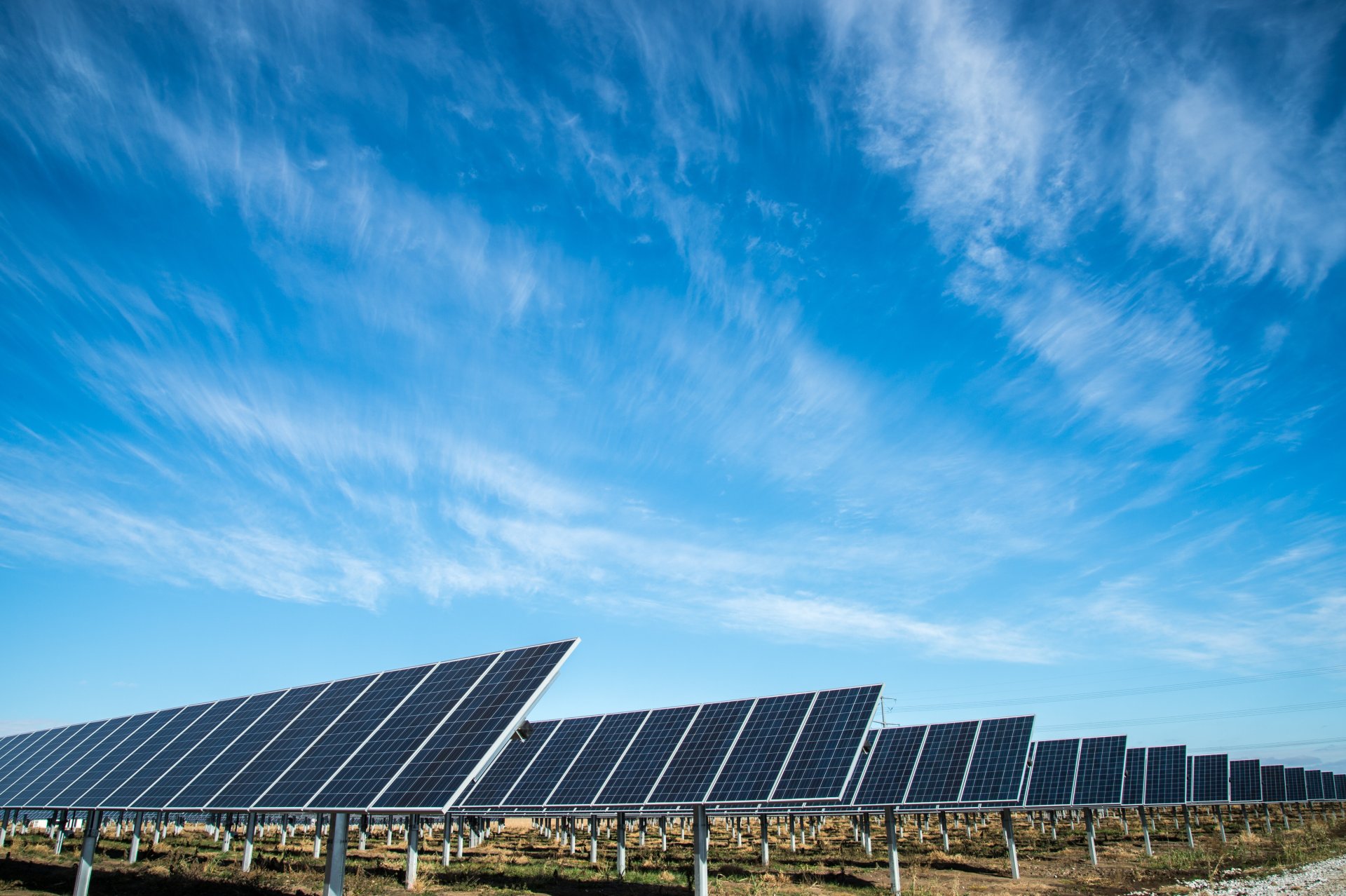
How to Design a Stable Solar Mounting System on a Shipping Container Roof ? |Art Sign

With the global rise of remote microgrids and battery energy storage systems(BESS), deploying a standardized Container Solar mounting System has become a highly practical solution for off-grid power. However, engineering an arraythat ensures structural stability under high wind loads—without compromised weldingor drilling into the container—requires precise structural design. In thistechnical overview, we recommend a standardized configuration based onourestablished 2x6-15deg project drawings, analyzing how to achieve a zero-foundation,$150\text{ km/h}$wind-resistant setup.


Container Solar mounting System


Main Application Scenarios

Application Scenario

Technical Role

Battery Energy Storage Systems (BESS)

The container houses batteries and inverters, while the roof-mounted Container solar mounting feeds green power directly into the internal system, forming a self-contained mobile power station.

Remote Mining & Construction Camps

Provides a reliable power source for off-grid container offices or living quarters without needing ground excavation or concrete pouring.


1. Pre-Punched Modular Components & Assembly

The defining advantage of this system is its 100% bolt-on assembly with zero on-site welding, which streamlines the layout of the Solar Panel Mounting Structure .


(1) Three-Side Slotted C-Steel : The entire primary structure is fabricated from 80 x40 x1.8 mm C -shaped steel. It features continuous elongated slots on three sides, providing ultimate adjustability and eliminating on-site drilling or welding.

Container solar mounting


(2) Universal L-Connectors & Frame Set-up : Heavy-duty AS. D-P002multi-slotted L-brackets (thickness: 3.0mm) serve as the universal joints. Paired with bolt sets, they lock the intersecting C-steel members to create a stable 15.5° fixed tilt angle.


Solar Panel Mounting Structure


(3)Container Clamping & Grid Reinforcement : The frames cross over the standard 20ft container roof. Specialized cross-beams lock onto the container's rigid upper framework via mechanical clamping. Longitudinal rails and cross-diagonal bracing bars are then bolted to prevent lateral shifting.


Shipping Container Solar Racking

2.Containerized solar mounting Installation Guide:

Containerized Solar Mounting


3.Material Specification and Core Features:
To ensure a 25-year service life, this high-strength Shipping Container Solar Racking utilizes Zinc-Aluminum-Magnesium steel ( S350GD+ZM) for all C-channels.
(1)Zinc-Aluminum-Magnesium (Zn-Al-Mg) Coating : It features an excellent cut-edge Self-Healing effect , providing significantly better corrosion resistance than traditional hot-dip galvanized steel in harsh, outdoor environments.

(2)150 km/h Certified Wind Resistance : Thanks to the rigid 3-point vertical support design per frame (front, mid, and rear pillars) and cross-diagonal reinforcement, the system optimizes weight distribution and easily withstands wind speeds up to 150 km/h .
(3)Zero Welding, Damage-Free Installation : By relying entirely on pre-punched C-channels and mechanical clamping joints, the container's original anti-corrosion paint and structure remain 100% intact, preventing water leakage or rusting over long-term deployment.


If you require detailed technical datasheets, CAD drawings , or tailored Containerized Solar Mounting layouts, please contact our engineering support team.E-mail:sales@artsign.net.cn, Whatsapp / Wechat / Skype:+008618030235875, thanks.


Maximizing Solar Efficiency & Safety A Deep Dive into Different L-Feet Dimensions |Art Sign

When planning a commercial or industrial (C&I) solar project on a metal roof, many procurement managers view the L-feet simply as a standard, interchangeable piece of aluminum. However, experienced EPC engineers and solar installers know that a difference of just 20mm in height can be the deciding factor between a highly efficient, lifetime-surviving project and a costly engineering failure.


At Art Sign, we offer a comprehensive range of solar panel L feet height: 59mm, 80mm, 84mm, 105mm, 125mm, and 150mm. All of our L-feet are designed with Universal solar rails compatibility, allowing them to seamlessly match all standard solar rails and mounting components on the market.

differen size of L feet

But why does having access to so many different heights matter? Let’s take a deep dive into the engineering reasons behind L-feet dimension.


3 Critical Roof Pain Points Solved by L-Feet Height Selection
Selecting the perfect L-feet height directly addresses three of the most common challenges faced during metal roof solar installations:


1. Eliminating Corrugation Height Conflicts
Metal roof solar mounting, that roofs come in countless profiles—including Trapezoidal, Standing Seam, and Corrugated designs—each with vastly different rib or wave heights. If an installer uses an L-foot that is too short, the horizontal solar rail will press directly against or crush the roof's crests when tightened. This not only damages the roof sheet but also compromises the structural integrity of the racking. Choosing an L-foot with the correct height ensures adequate clearance above the specific corrugation profile of your roof.


different roof type
2. Boosting Ventilation & Cooling for Higher Power Yields
Solar panel ventilation and cooling, panels do not like the heat. During peak summer months, metal roof temperatures can skyrocket to 70℃(150℉)or higher. Because photovoltaic modules have a negative temperature coefficient, their power output drops for every 1℃ increase above standard test conditions.

When panels are mounted too close to the roof, hot air becomes trapped underneath. By stepping up to a taller L-feet profile (e.g., upgrading from 80mm to 105mm or 125mm), you create a wider air gap. This enhances natural convection and cooling, which can prevent hot spots and unlock a permanent long-term power generation gain of several percentage points.


3. Adjusting for Roof Unevenness

Many older commercial and industrial roofs suffer from structural sagging, settling, or uneven purlin alignments. If you use uniform, short L-feet across an uneven roof, your finished solar array will look wavy, creating uneven mechanical stress across the panels. Utilizing a mix of different L-feet heights, combined with the vertical adjustment ranges (slotted holes) built into our designs, serves as a construction "lifesaver"—allowing installation teams to achieve a perfectly leveled, flat solar array even on imperfect roofs.


Art Sign L-Feet Height Matrix & Application Guide


Height Profile
Best Application Scenarios
Key Benefits

59mm / 80mm / 84mm

(Low Profile)

Low-rib trapezoidal sheets

• Standing seam clamps integration

• High-wind coastal regions

• Lower material cost

• Sleek, low-profile aesthetics

• Shorter lever arm for extreme wind resistance

105mm

(Standard Profile)

• Standard C&I trapezoidal roofs

• Universal deployment

• The ideal industry balance between cost, mechanical strength, and airflow

125mm / 150mm

(High Profile)

• High-crest corrugated or trapezoidal roofs

• Extremely hot climates requiring maximum cooling

• Roofs with existing conduit/pipe obstacles

• Maximum ventilation

• Excellent obstacle-clearance capability

• Easier maintenance access


100% Leak-Proof Reliability
No matter which height you choose, roof integrity is our top priority. Every single Art Sign L-foot comes equipped with a premium, heavy-duty EPDM rubber pad at the base. When fastened, the EPDM compresses perfectly around the screw hole, creating a durable barrier that is UV-resistant, weather-proof, and guarantees 100% waterproof protection over the 25-year lifespan of your solar system.


solar mounting system L feet


Ready to Optimize Your Next Metal Roof Project?
Choosing the right L-feet height is an investment in both the safety and financial ROI of your solar system. Whether you need a low-profile 59mm solution for a high-wind zone or a 150mm bracket for maximum airflow, Art Sign has the engineering expertise to back your project.
Contact the Art Sign engineering team today to share your roof layouts. We will provide free static calculations and recommend the perfect customized L-feet configuration for your project!


For any inquiry of solar panel mounting system, pls contact us, E-mai: sales@artsign.net.cn, Whatsapp / Wechat / Skype: +008618030235875, thanks.


Versatility in Mounting A Deep Dive into Adjustable Aluminum Hooks 37# B& 37#A |Art Sign

In solar PV installation, varying roof tile heights often pose a challenge. As a leading solar mounting manufacturer in Xiamen, we have developed two highly popular adjustable aluminum hooks: 37#B and 37#A, designed to adapt to various complex roof structures with ease.

Adjustable Aluminum Hooks


37#A is our "all-rounder" designed for roofs with significant height variations. Its standout feature is the extensive adjustment range, making it a perfect fit for various tile profiles.


solar mounting manufacturer


Core Advantages:
With simple bolt adjustments, it compensates for uneven roof surfaces, ensuring a flat and aesthetic PV array while minimizing on-site cutting and drilling.


SR series rail


37# B hook is a classic in our lineup. While maintaining robust support, it offers convenient vertical adjustment, making it a favorite in the European, American, and Southeast Asian markets.

roof mounting solutions


Core Advantages:
The "Golden Pair" of 37# and the SR series rail not only speeds up installation but also significantly enhances the system's wind and snow load resistance.


solar panel mounting system


Our 37#B and 37#A hooks are engineered not just for flexibility, but also for industrial-grade durability. Utilizing high-strength AL6005-T5 aluminum with an advanced anodized finish (over 10μm), these hooks maintain exceptional corrosion resistance—even in high-salinity coastal areas or extremely humid environments. Coupled with SUS304 stainless steel fasteners, our Solar mounting systems are designed for a service life of 20+ years.


Why Choose Our solar roof Hooks?
Factory Direct:
Sourced from our Xiamen facility, eliminating middleman costs to provide the most competitive OEM/ODM pricing.
Prompt Shipping:
Multiple automated production lines ensure your orders are delivered on schedule.
Expert Service:
We provide comprehensive CAD drawings and technical consulting for your specific projects.
Whether you need the extreme adjustability of the 37#A or the robust efficiency of the 37#, we provide the ultimate roof mounting solutions. Contact us today for detailed specifications and a free quote.
For any inquiry of solar panel mounting system, pls contact us, E-mal: sales @artsign.net.cn, Whatsapp /Wechat/Skype:+008618030235875, thanks.


Why is east-west solar mounting system becoming a new trend in flat rooftop photovoltaic? |Art Sign

A revolution in space utilization and profitability is quietly taking place on prime commercial and industrial rooftops.


So, what exactly is an east-west oriented rooftop solar support system?

 solar panel brackets

In short, it's an innovative solution that arranges photovoltaic (PV) modules back-to-back in an "A" shape, with the modules facing east and west. It not only redefines the mechanical balance of rooftop PV systems but also achieves a smooth power generation curve, ensuring stable power generation from sunrise to sunset.
In the past, traditional tilted solar panel brackets required large gaps on the roof to avoid blocking sunlight, resulting in significant space waste. However, the east-west oriented support system, with its unique enclosed structure, eliminates row spacing limitations, maximizing the use of rooftop space!


We'll take a detailed look at this rooftop solar system support structure today to see how it can

help homeowners increase their green electricity income by 30%.


Eliminating Space and Maximizing Rooftop Utilization
For commercial and industrial photovoltaic systems, rooftop space is essential. The impact of shade on solar panel electricity generation is a major disadvantage of conventional layouts. A distance of one to two meters must be kept between the supporting structures in order to avoid front-row modules from obstructing sunlight from reaching rear-row modules. These gaps squander important rooftop resources.


This restriction is directly violated by back-to-back systems.
1. Zero-gap installation: Shading issues are prevented by joining the modules end to end to create a continuous, flawless triangle ridge structure.
2. 20%–40% increase in installed capacity: While comparable systems can only install 1MW of solar PV mounting systems on the same roof surface, our technology can easily attain installed capacities of 1.3MW or even higher.This translates into more efficient power generation and cheaper installation costs for commercial real estate.


rooftop solar mounting
High-Density Rooftop Power Engineered for Industrial Peak Demand
Many people wonder about east-west industrial solar mounting structure: "East-west isn't the optimal tilt angle, so wouldn't that reduce the module's power generation?"
Yes, but this is only a localized loss; in return, it brings huge overall profits!

Traditional south-facing layouts, in pursuit of maximum power generation per module, are forced to leave huge gaps. This design not only sacrifices installed capacity, but its power generation mode is also facing awkward pain points in industrial and commercial scenarios.


1.The Solar Mismatch: Sharp Production vs. Peak Demand
Traditional south-facing solar power plants have a power generation curve that looks like a "sharp peak," with electricity output concentrated in a huge spike during the brief two-hour window between 11:00 AM and 1:00 PM.
But for the majority of factories, this falls exactly during the lunch break. The manufacturers are unable to use the abundant solar power produced, therefore it is sold to the grid at incredibly low "surplus electricity" pricing.However, when factories are running at maximum capacity in the morning and evening, conventional south-facing solar power facilities shut down early, requiring businesses to buy pricey grid electricity.

2.The East-West Solution: A Perfect "Double-Peak Relay"


This industrial solar rooftop solutions photovoltaic system is oriented east-west and produces steady, round-the-clock electricity. The system produces an ideal "double-peak relay" of power generation curves because of its special angled design:
The factory's morning peak electricity demand is accurately captured by east-facing modules, which start producing electricity at sunrise. In the afternoon, west-facing modules link effortlessly, supplying the remaining electricity need prior to the nighttime peak when costs increase.
Although the peak power generation of individual modules is somewhat reduced by 5% to 10% due to the east-west configuration, the overall installed capacity is increased by nearly 30% because there is no longer any space between modules. This arrangement greatly increases the factory's self-consumption rate when paired with a broader, smoother power generation curve.

Every kilowatt-hour saved by self-consumption in commercial and industrial photovoltaic systems is significantly more valuable than the cost to the grid. This back-to-back, east-west support system maximizes roof area, guaranteeing that every kilowatt-hour of electricity is actually used where it is most important to the business!


Securing Industrial Assets: The Weatherproof Art Sign Shield Engineered for Extreme Storms
Commercial and industrial roofs must meet strict requirements for load-bearing capacity and waterproofing, particularly for older concrete roofs or factory buildings that are prone to deformation. Due of their vast windward area, traditional photovoltaic support systems can easily provide significant lift, especially during storms. Additionally, conventional techniques of preventing roof collapses usually include removing the roof and drilling for reinforcement or installing enormous concrete counterweights, both of which present significant safety risks in the event of subsequent incidents.
An excellent answer to this industrial problem is provided by Art Sign's east-west roof support system:


solar PV mounting

1.Natural Aerodynamic Closed Loop: Effect of Wind Blocking
The Art Sign team's closed "A-shaped" east-west structure forms a streamlined, organic ridge for the system as a whole. Strong winds cause the airflow to naturally slide over the components' sloping surfaces, creating ideal aerodynamic self-blocking. This significantly lessens the risk of storms by virtually eliminating wind suction inside and behind the support structure.


industrial solar mounting structure

2.Non-Penetrating Ballasted Structure: Elimination of Load and Leakage Risks
Art Sign's east-west support system greatly minimizes the requirement for counterweights because of its superior low-drag shape.
No Waterproofing Flaws: We use a tried-and-true rectangular concrete block ballast. Roof leaks can be totally avoided in high-wind areas by installing special aluminum pads at the base of the support system, which eliminates the need to drill a single screw or hole in the roof.
High-Standard Material Protection: Art Sign provides a lightweight, high-strength AL6005-T5 aluminum alloy with an anodized surface for a variety of commercial and industrial roof needs. This guarantees the support system has a corrosion-resistant lifespan of more than 25 years while drastically lowering the additional strain on the roof.


3.Global Standard Certification: Verification of Quantifiable Structural Safety
Every Art Sign mounting system shipped undergoes rigorous simulation using professional engineering software to ensure its layout and structural design strictly comply with international mainstream wind and snow load standards such as JIS C8955, EU standards, and AS/NZS 1170. Whether facing extreme typhoons in coastal areas or heavy snowfall in high-latitude regions, Art Sign can provide professional solar mounting solutions for your commercial and industrial rooftops.


In essence, the photovoltaic industry's development path has changed from pursuing the theoretical power generation efficiency of individual modules to maximizing the revenue per square meter of commercial and industrial rooftops, and the rise of east-west layouts represents a cautious return to the industry's commercial core. East-west layouts are increasingly the favored option for flat roof solar investment worldwide due to their flawless aerodynamic construction, smooth curves better suited for commercial and industrial applications, and record-breaking installed capacity.
As a skilled producer of solar installation systems, Art Sign is dedicated to converting cutting-edge mechanical design into real financial advantages for our clients. We are aware that every commercial and industrial roof is different in terms of orientation, load-bearing capacity, and local wind and snow load conditions.


Is your business or industrial roof underutilized and still exposed to the sun?
Avoid wasting your resources on unnecessary roof spacing. Just provide us the specifics of your project and the size of your roof to get in touch with us.
For any inquiry of solar panel mounting system, pls contact us, E-mai:sales@artsign.net.cn, Whatsapp / Wechat / Skype:+008618030235875, thanks.


Why the Adjustable Tilt Kit is the Most Economical Solar Mounting Solution? | Art Sign

In the rapidly evolving solar energy market, selecting the right mounting structure is as critical as choosing the panels themselves. A reliable system doesn’t just hold panels in place; it reduces installation overhead, ensures long-term stability, and maximizes energy yield.


Among the various mounting options available, the Art Sign Solar Adjustable Tilt Kit stands out as the most economical solar rack for residential, commercial, and small-scale ground-mounted PV projects. Here is why this solution is a game-changer for your project budget and performance.


1. Simple, Rail-less Design for Lower Costs
The primary reason the Art Sign Adjustable Tilt Kit is so cost-effective is its minimalist, Rail-less Solar Mounting design. By eliminating the need for long, heavy mounting rails, the system significantly reduces:
Material Costs: Fewer components mean a lower price per watt.
Logistics: The lightweight design slashes transportation fees and simplifies on-site handling.

Complexity: Unlike expensive solar trackers or heavy-duty custom frames, this kit uses standardized aluminum profiles and stainless steel fasteners for a high-strength, low-cost finish.


Adjustable Tilt KitSolar Mounting Structure


ART SIGN Solar Adjustable Tilt Kit installed on a commercial flat roof, providing an Economical Solar Rack solution.


2. Versatility Across Roof Types
Whether you are working on concrete flat roofs or metal rooftops, this Solar Mounting Structure provides a universal fit. This versatility makes it a go-to choice for EPC companies and distributors who need a reliable solution for various rooftop environments.
Residential rooftop arrays
Commercial & Industrial (C&I) solar systems
Small-scale ground-mount projects


Economical Solar Rack

Close-up of the Rail-less Solar Mounting design of the PV Tilt Kit featuring durable aluminum components.


3. Optimized Energy Yield with Flexible Angles
A fixed mounting system often compromises on energy production. The Adjustable Tilt Kit solves this by offering three adjustable angle ranges (10–15°, 15–30°, and 30–45°). By allowing installers to fine-tune the tilt, solar panels can capture maximum sunlight year-round, significantly improving the ROI of the PV Tilt Kit.


Rail-less Solar Mounting


Flexible angle adjustment of the Adjustable Tilt Kit to maximize energy output for an Economical Solar Rack.

By allowing installers to fine-tune the tilt based on the project's specific latitude and roof condition, solar panels can capture maximum sunlight year-round. Additionally, an angled setup encourages natural cleaning by allowing rainwater to wash away dust and debris.


4. Rapid Installation: Pre-Assembled Efficiency
Labor costs can make or break a project's ROI. To combat this, Art Sign delivers all components pre-assembled.
Reduced Labor Time: No more fumbling with small parts on a hot roof.
Streamlined Workflow: Standardized components allow for quick connection, drastically increasing your Solar Installation Efficiency.

Scalability: Faster installations mean your team can complete more projects in a shorter timeframe.


5. Low Maintenance & High Durability
Complexity often leads to failure. Unlike motorized tracking systems that require sensors and motors, the Art Sign Adjustable Tilt Kit features a simple mechanical structure.
Zero Electronics: No risk of electrical failure or software glitches.
Corrosion Resistance: Built with high-grade aluminum and stainless steel to withstand harsh environmental conditions for decades.
Lower O&M: Minimal moving parts result in nearly zero maintenance costs over the system’s lifespan.


The ArtSign Solar Adjustable Tilt Kit is the ultimate balance between performance and price. By combining a Rail-less Solar Mounting design, pre-assembled parts, and flexible tilt options, it provides a competitive edge for installers while maximizing Solar Installation Efficiency.

If you are looking for a reliable and Economical Solar Rack, this PV Tilt Kit is the professional choice for your next solar venture.
Email : sales@artsign.net.cn   Whatsapp/Wechat/Skype +86 180 3023 5875


Are Lithium Batteries Really the Upgrade Your Powersports Vehicle Needs?

The Shift Toward Lithium Power


Over the past few years, lithium batteries have transformed the powersports industry. From motorcycles to ATVs, riders are increasingly swapping traditional lead-acid batteries for lithium alternatives. The reason is simple: lighter weight, higher efficiency, and longer lifespan. For anyone considering an upgrade, a reliable lifepo4 battery charger becomes essential to ensure your new battery performs at its best.


Lightweight Advantage


One of the most immediate benefits of switching to a lithium battery is the drastic reduction in weight. A lithium battery can be up to 70% lighter than its lead-acid counterpart, improving handling and acceleration. For motorcycles and off-road vehicles, this weight difference isn’t just a number—it’s a noticeable improvement in ride dynamics.


Longevity That Pays Off


Lithium batteries offer a significantly longer lifespan. Whereas a standard lead-acid battery might last 2-3 years under regular use, a high-quality lithium option can easily exceed 5 years. Combined with proper maintenance using a Motorcycle lithium battery charger, riders can save both time and money in the long run.


Fast Charging Capabilities


Another strong advantage of lithium batteries is their ability to accept faster charging rates without degradation. This is where pairing your battery with the right lifepo4 battery charger makes a real difference. Quick top-ups are possible without compromising overall battery health, giving riders more flexibility in their schedule.


Consistent Performance in All Conditions


Unlike traditional batteries, lithium options maintain steady performance even under extreme temperatures. Whether riding through hot summer trails or cold winter roads, a well-maintained lithium battery delivers reliable starts every time. This consistency is particularly important for adventure riders who depend on their vehicles in remote locations.


Lower Maintenance, Higher Reliability


Lithium batteries require far less maintenance than lead-acid models. No more topping off with distilled water or worrying about corrosion. With a Motorcycle lithium battery charger designed for smart charging cycles, you can keep your battery in optimal condition with minimal effort, ensuring peak performance whenever you need it.


Is the Upgrade Worth It?


For most riders, the advantages of lithium batteries outweigh the initial cost. Lighter weight, longer lifespan, faster charging, and reliable performance make them a smart investment for powersports enthusiasts. When paired with the correct charger, your lithium battery can offer years of hassle-free power, enhancing every ride without compromise.

Lithium-Ion Forklift Battery Technology For Operational Efficiency

In the material handling industry, productivity and efficiency are two important keys to success. There are only so many hours in the day, so whenever a company can find a way to do more in less time, they gain a competitive advantage. For some operations, especially food processing, 3PL and other multi-shift applications, lithium-ion forklift batteries provide that extra edge by reducing labor costs and improving productivity.


Lithium-ion forklift battery technology is one example of the advanced thinking S-tech. Lifepo4 forklift batteries provide a wide variety of efficiency advantages that can offer an excellent return on investment when managed appropriately. From consistent power delivery to quicker charging capabilities, exploring lithium-ion forklift battery options can reveal your next steps in operational efficiency.

Comparing Motorcycle Batteries Why VRLA Leads the Way

Motorcycles, as convenient and efficient means of transportation, rely heavily on the reliability and stability of their power systems. Different types of batteries have varying effects on motorcycle performance and user experience. In today's market, Valve Regulated Lead Acid (VRLA) batteries remain the mainstream choice in the motorcycle industry. This article will compare open lead-acid batteries, lithium iron phosphate batteries, and sodium-ion batteries, emphasizing the dominant position of VRLA batteries in motorcycles.


Firstly, open lead-acid batteries and VRLA batteries are two common types of lead-acid batteries. Open lead-acid batteries require regular inspection and electrolyte replenishment, making maintenance cumbersome, while VRLA batteries do not need regular water addition, making them more convenient to use and maintain. Additionally, lithium iron phosphate batteries offer higher safety and cycle life compared to lead-acid batteries, while sodium-ion batteries boast lower costs and more abundant resources.


However, despite these advantages, VRLA batteries are still predominantly used in the market. VRLA batteries have a long history of use and technological maturity, accumulating rich application experience in the motorcycle industry. Their stable performance, moderate price, and easy maintenance make VRLA batteries the preferred choice for motorcycle power systems. Particularly in terms of safety, convenience of use, and cost considerations, VRLA batteries continue to hold a dominant position.


Overall, although lithium iron phosphate batteries and sodium-ion batteries have advantages in certain aspects, VRLA batteries remain the primary choice for motorcycle batteries in the current market. With the development of technology and the maturity of new battery technologies, there may be more high-performance batteries suitable for motorcycles in the future. However, for now, VRLA batteries remain one of the most trusted solutions for motorcycle power systems among consumers.

Decoding Motorcycle Battery CCA Values Key to Starting in Cold Weather

The starting performance of motorcycle batteries in cold weather is crucial. Among them, the CCA (Cold Cranking Amps) value is the key parameter that measures the starting ability of the battery in low-temperature conditions. Understanding and selecting the appropriate CCA value is essential for motorcycle owners.


1. Significance of CCA Values:

   - The CCA value represents the maximum starting current the battery can provide at -18 degrees Celsius.

   - A higher CCA value indicates a stronger starting capability of the battery in cold environments.


2. Principles for Choosing CCA Values:

   - Selecting the appropriate CCA value for the motorcycle model and local climate conditions is crucial.

   - Generally, CCA values between 150 to 200 are suitable for most motorcycles, with potentially higher values needed in colder regions.


3. CCA Value Requirements in Different Climate Conditions:

   - In cold climates, higher CCA values provide additional starting assurance.

   - CCA value requirements are relatively lower in warm climates.


4. Impact of Battery Type on CCA Values:

   - Lead-acid motorcycle batteries typically have higher CCA values, while lithium-ion batteries are relatively lower.


5. Methods for Measuring CCA Values:

   - Using a battery tester can accurately measure the CCA value of motorcycle batteries.


Understanding the importance of motorcycle battery CCA values and selecting the appropriate values based on actual needs will ensure that motorcycles can reliably start in cold weather, enhancing driving safety and comfort.


Kaiying Power 12 Consecutive Years Qualifying for Canton Fair Participation

Since 2016, Kaiying Power has embarked on a continuous journey of participation in the China Import and Export Fair (Canton Fair), qualifying for participation for 12 consecutive sessions. Behind this string of participations lies not only the demonstration of Kaiying Power's corporate strength but also recognition of its product quality, market influence, and industry position.


As a specialized manufacturer in power equipment, Kaiying Power has been committed to improving product quality and technological innovation since its inception, continuously meeting market demands. The 12-year qualification for participation in the Canton Fair showcases its leadership position and stable development in the industry.


As one of the largest, oldest, and most influential trade fairs in China, the Canton Fair attracts top enterprises and brands from around the world. Qualifying for participation requires not only excellent product quality but also a solid market reputation and business strength. Kaiying Power's ability to qualify for participation for 12 consecutive years is based on its outstanding product quality, robust corporate strength, and widespread market recognition.


Behind the continuous qualification for participation lies Kaiying Power's persistent efforts in technological research and development, manufacturing, and market expansion over the years. This honor not only demonstrates Kaiying Power's status as a powerhouse but also lays a solid foundation for its future development.


Kaiying Power's success story showcases to other enterprises that in a fiercely competitive market environment, continuous improvement of lead acid battery product quality, strengthening of corporate strength, and active participation in industry trade fairs can win market recognition and ensure sustained development opportunities. We look forward to Kaiying Power continuing to achieve even more remarkable results in the future, contributing more to the development of China's manufacturing industry.