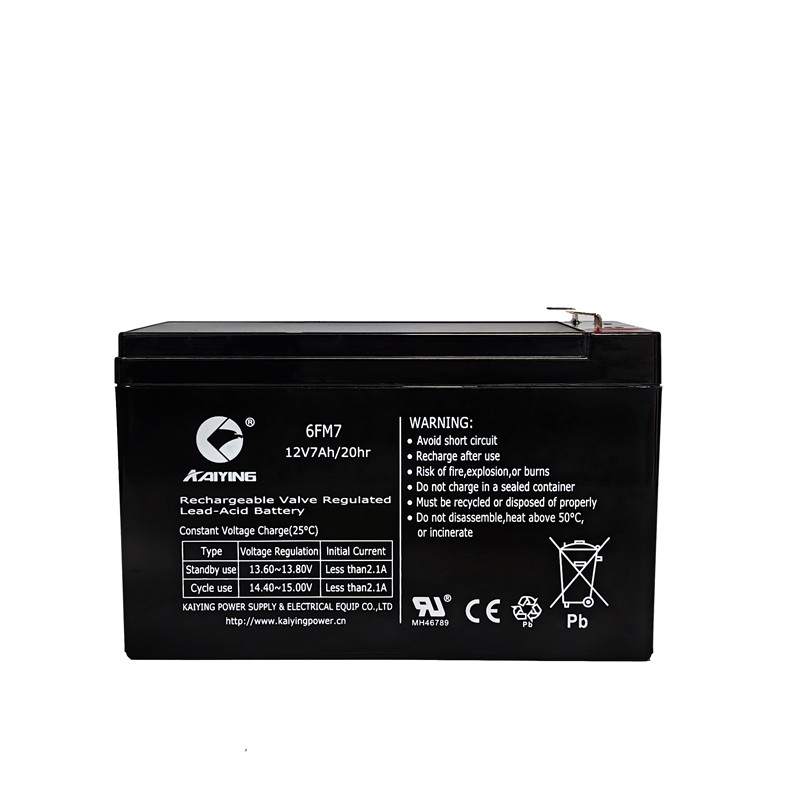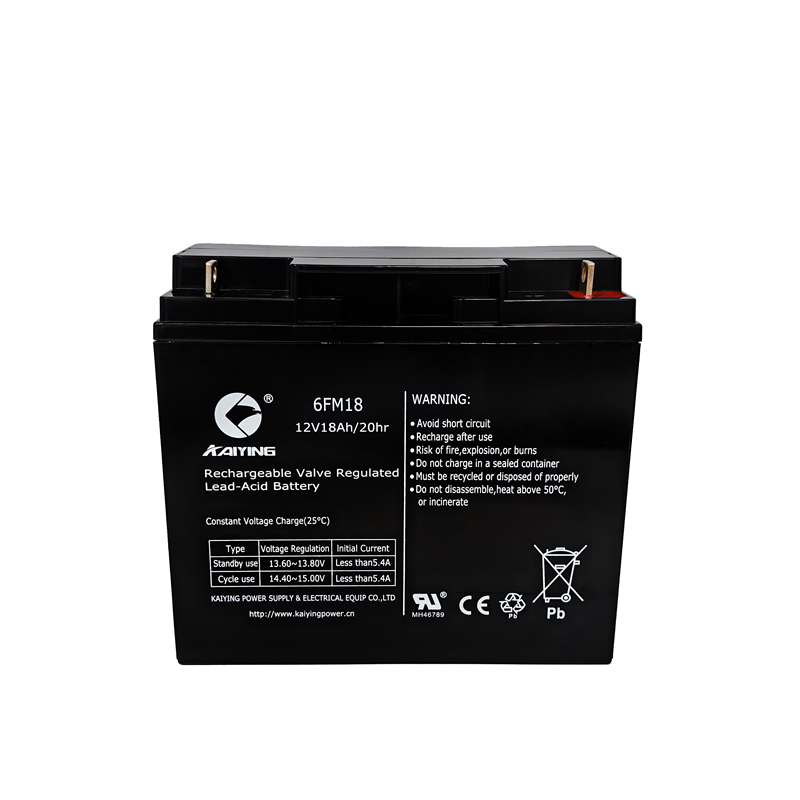
About VRLA Batteries For Rechargeable Fans

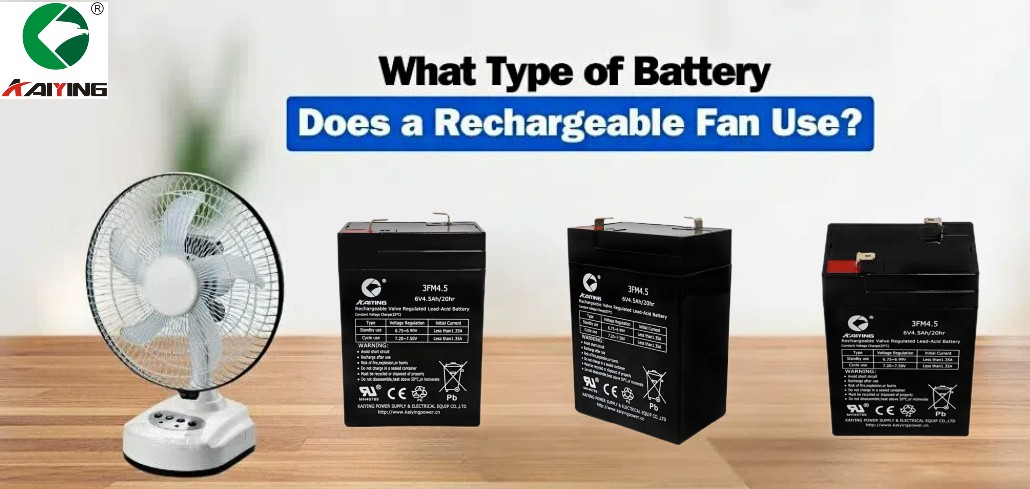
Rechargeable fans, with their portability and adaptability, are becoming increasingly essential for households and outdoor enthusiasts. These fans are typically equipped with Valve-Regulated Sealed Lead-Acid Batteries, a.k.a VRLA Batteries, offering numerous conveniences. This blog will explore the advantages of rechargeable fans and provide detailed guidance on their use and care.


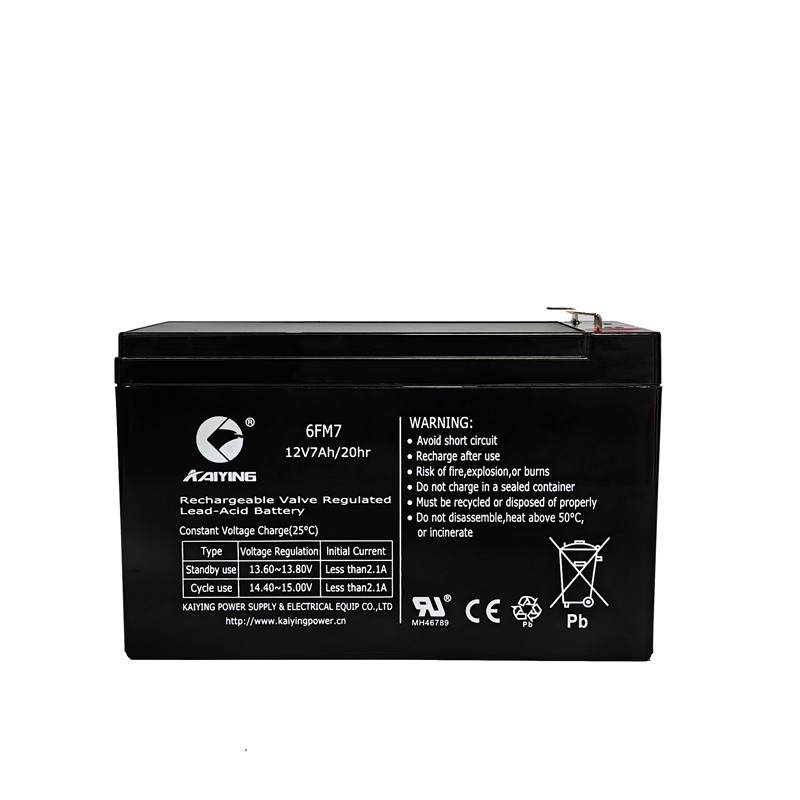
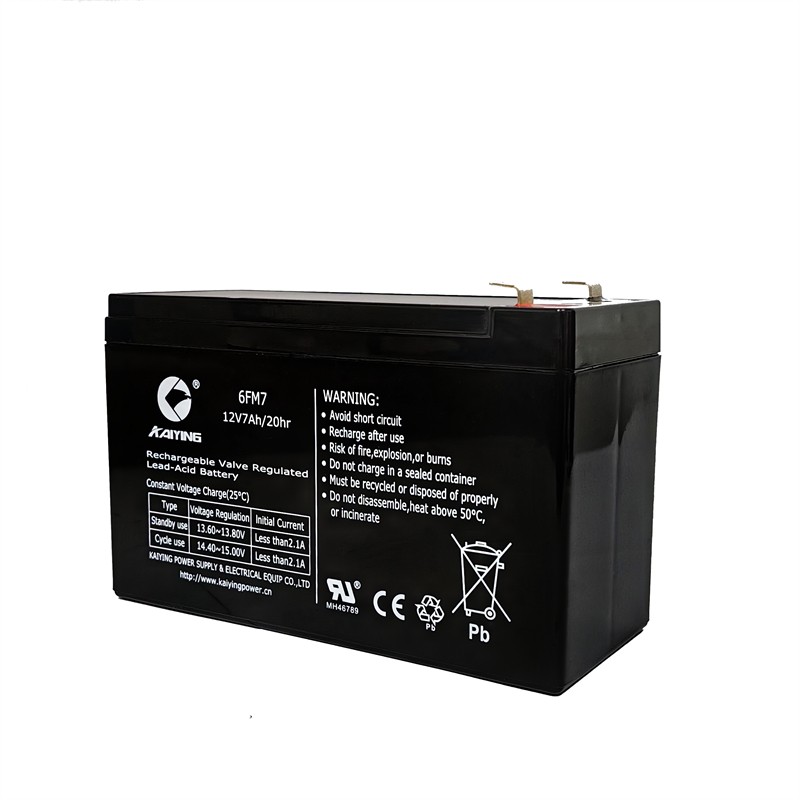
Vrla Batteries For Rechargeable Fan


Advantages of Rechargeable Fans

The primary advantages of rechargeable fans lie in their portability and versatility. They can provide cooling air without access to a power source and may also integrate additional features such as LED lights or phone charging ports. Moreover, rechargeable fans are usually designed to be energy-efficient, reducing power consumption and being environmentally friendly.


Battery Life

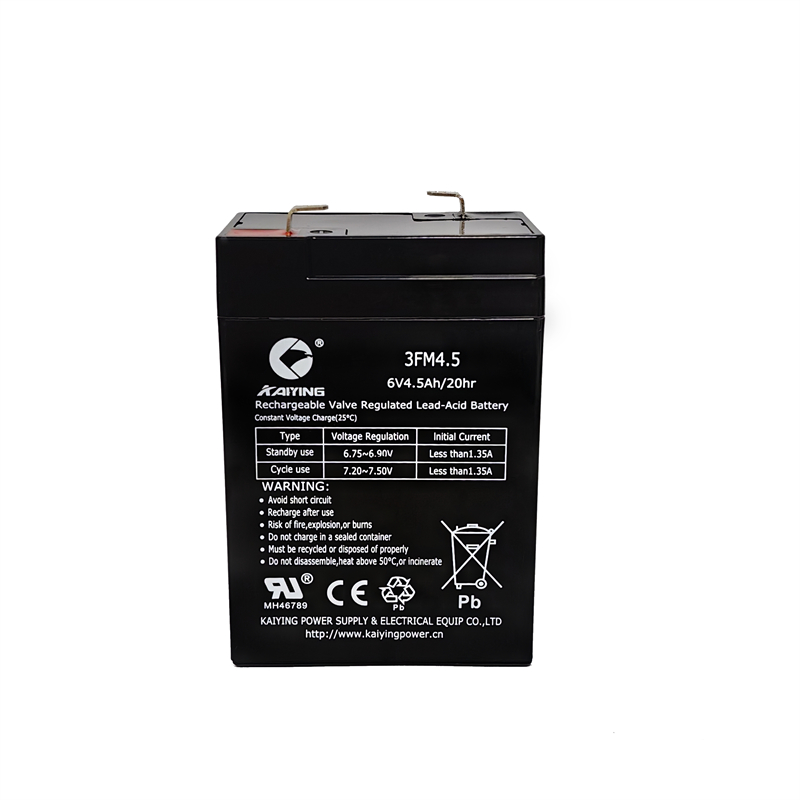
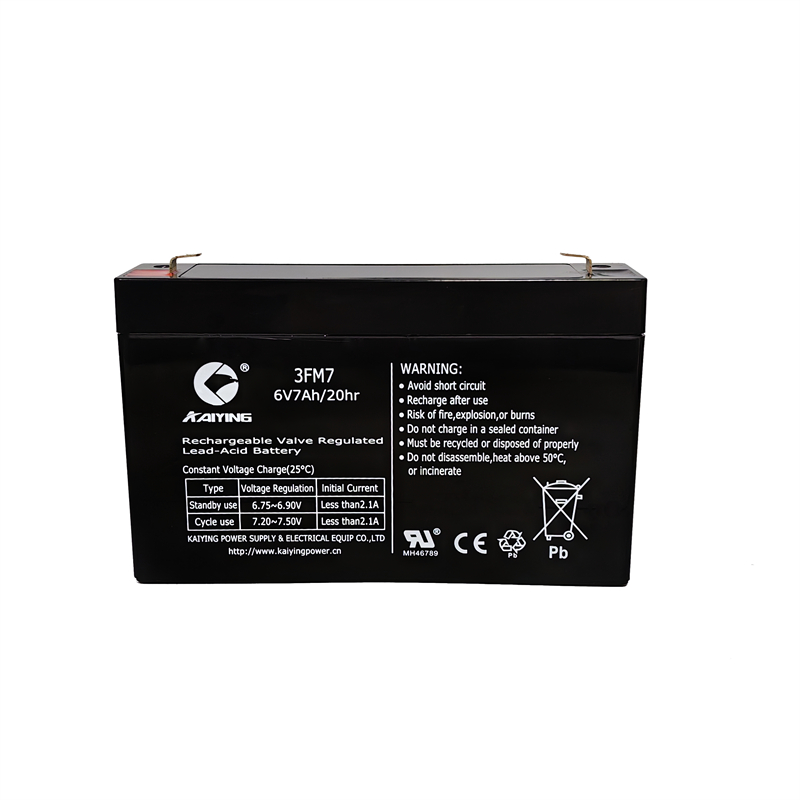
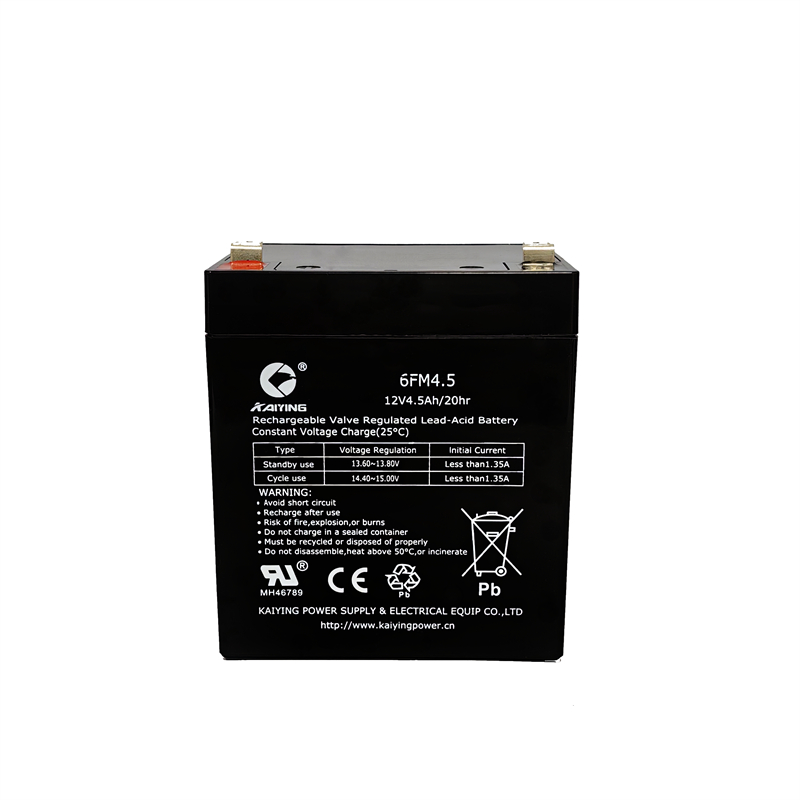
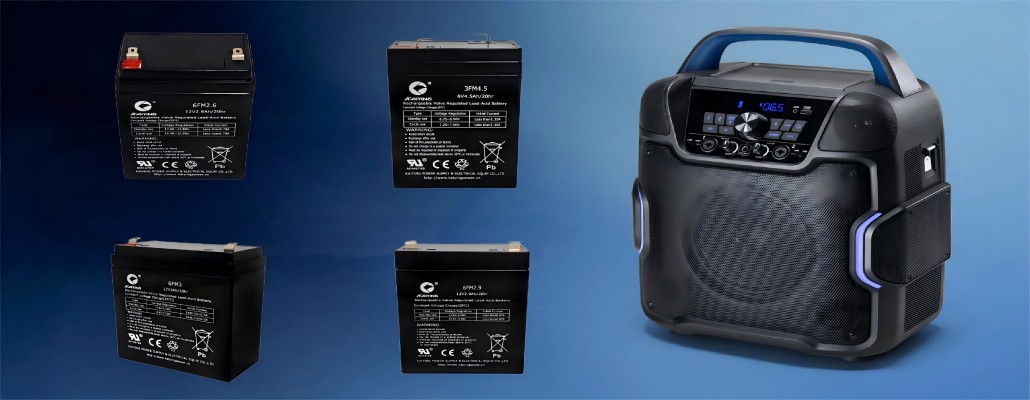
The battery life of a rechargeable fan depends on the battery capacity and the usage mode. Generally, VRLA batteries can provide 4-12 hours of runtime on low speed and may be reduced to 2-6 hours on high speed. Typical batteries for rechargeable fan are: 6V4Ah, 6V4.5Ah, 6V7Ah, 12V4Ah, 12V4.5Ah, etc.


Usage and Maintenance Guide

Charging Safety

Use the original charger compatible with the fan for charging.

Avoid continuous charging for more than 24 hours to prevent battery overheating. Monitor the fan during charging to disconnect the power in time. It is recommended to use a smart charger, which can automatically cut off the power after the battery is fully charged to prevent overcharging.


Regular Maintenance

Regularly check if the battery is swollen or leaking, as these may be signs of battery damage.

Clean the fan with a soft cloth and mild cleaner, avoiding corrosive chemicals. Regularly clean the fan blades and grille to maintain optimal performance. Use a soft brush or damp cloth for cleaning, avoiding hard brushes or abrasive cleaners.


Storage Conditions

Do not store the fan in extreme high or low temperature environments.

Ensure the storage location is dry to prevent moisture from degrading battery performance. If the fan is not used for an extended period, charge it every few months to maintain battery health. Fully charge the battery before storing to extend its lifespan.


Transportation Safety

Secure the battery in place during transportation to avoid damage from vibration.

Avoid violent shaking or impact to protect the battery and fan from harm.


In conclusion, Rechargeable fans have become an indispensable tool in modern life due to their portability and reliability. Valve-regulated sealed lead-acid batteries provide a stable power supply, allowing rechargeable fans to perform well in various environments. By following the usage precautions mentioned above, users can ensure the long-term effective operation of the fan and maximize the battery life. As technology continues to advance, we can expect rechargeable fans to have even broader applications in the future.

Efficient Combination of Electronic Crane Scales and Lead-Acid Batteries

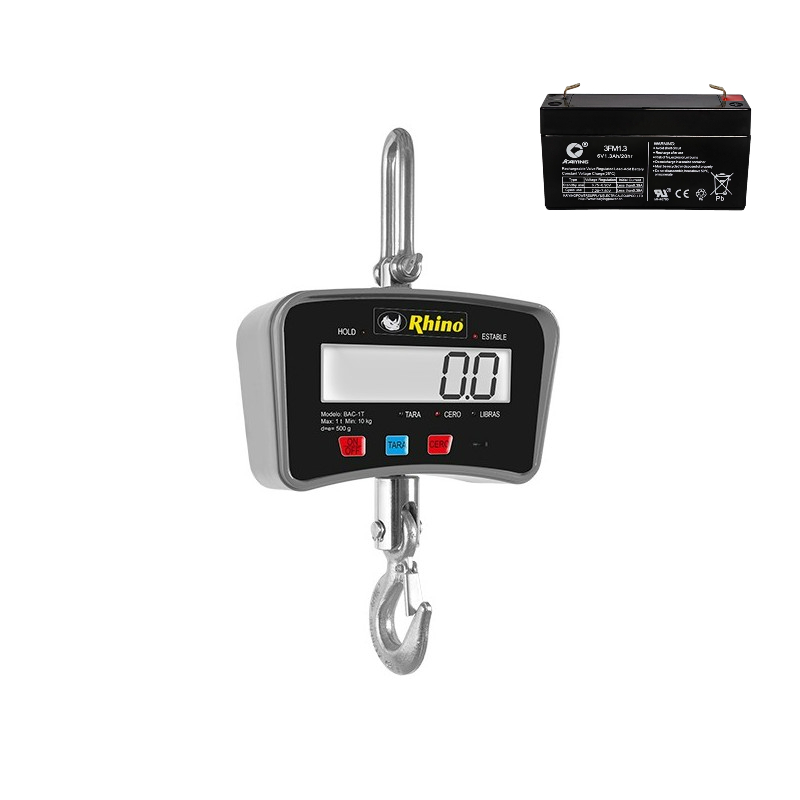
In market transactions and daily logistics, electronic crane scales or hanging scales are highly favored for their portability and precision. These scales not only improve weighing efficiency but also ensure the fairness of transactions. Lead-acid batteries, as the power source for electronic crane scales, are crucial for their stable and economical operation. This article will discuss the working principle, technical parameters, application scenarios, and the application of lead-acid batteries in electronic crane scales.

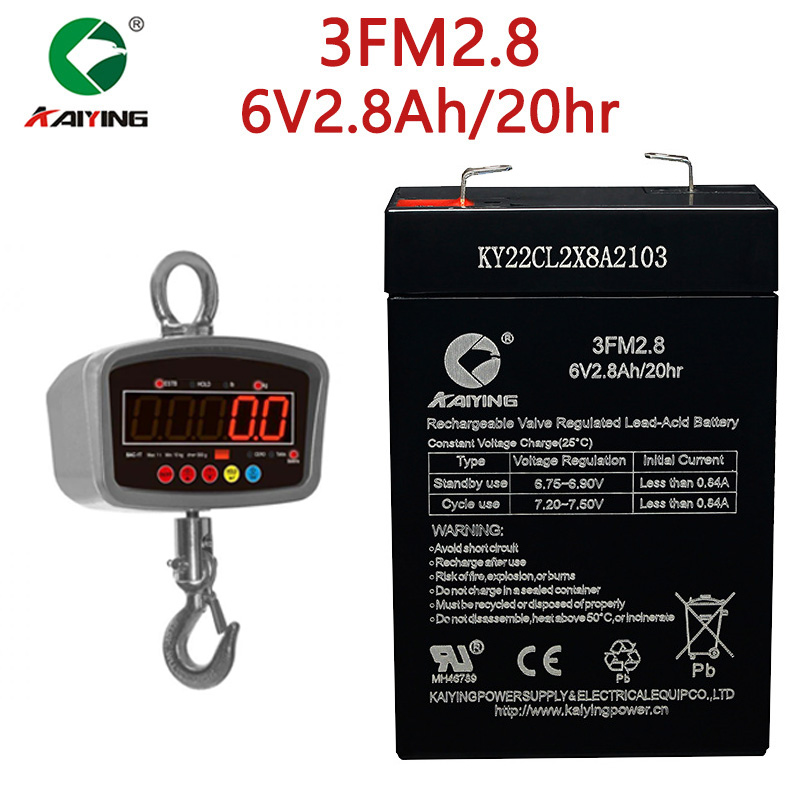
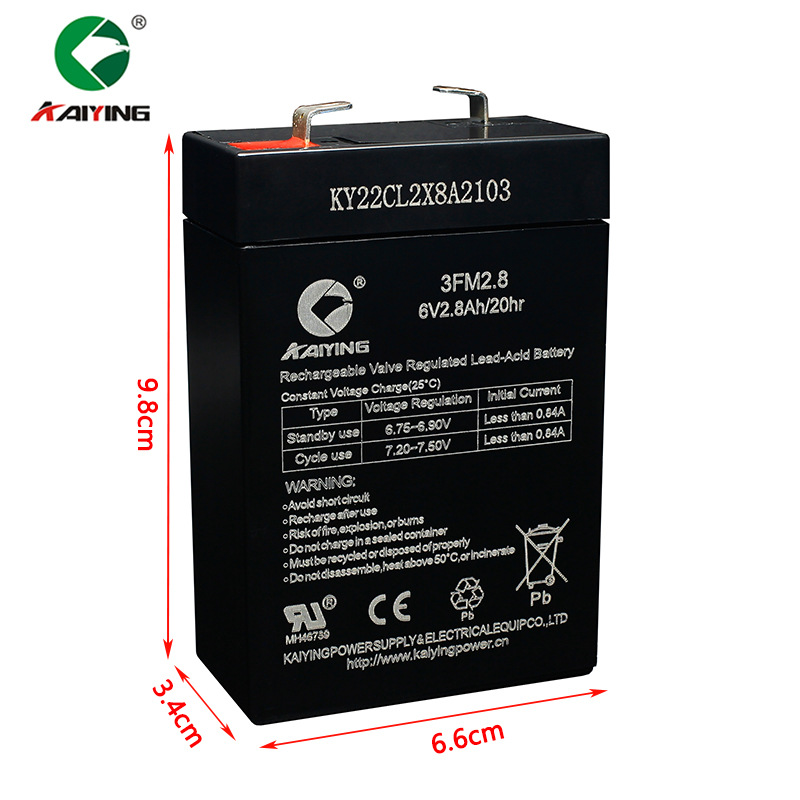
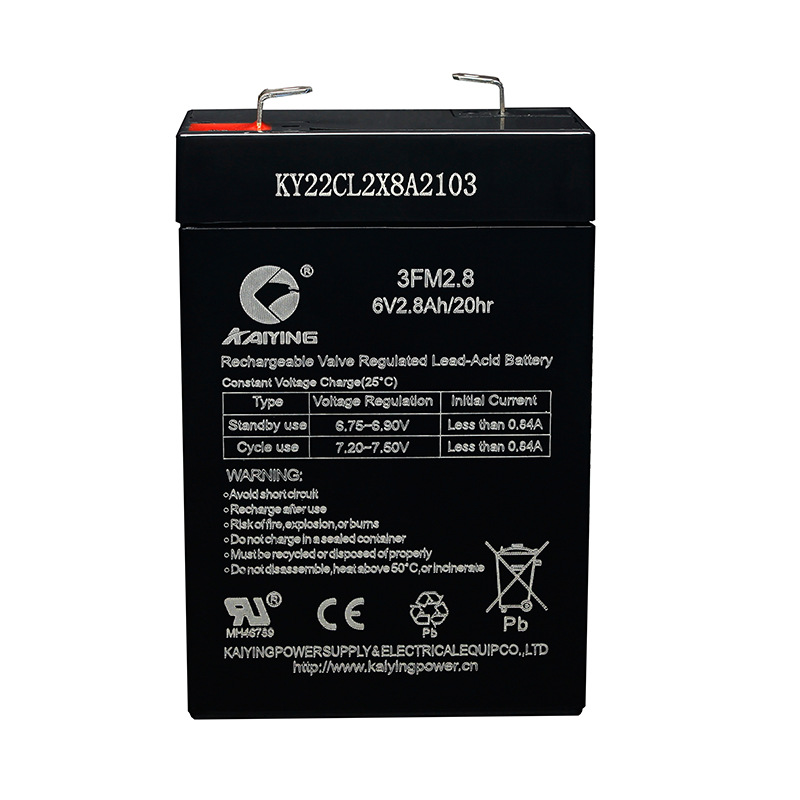
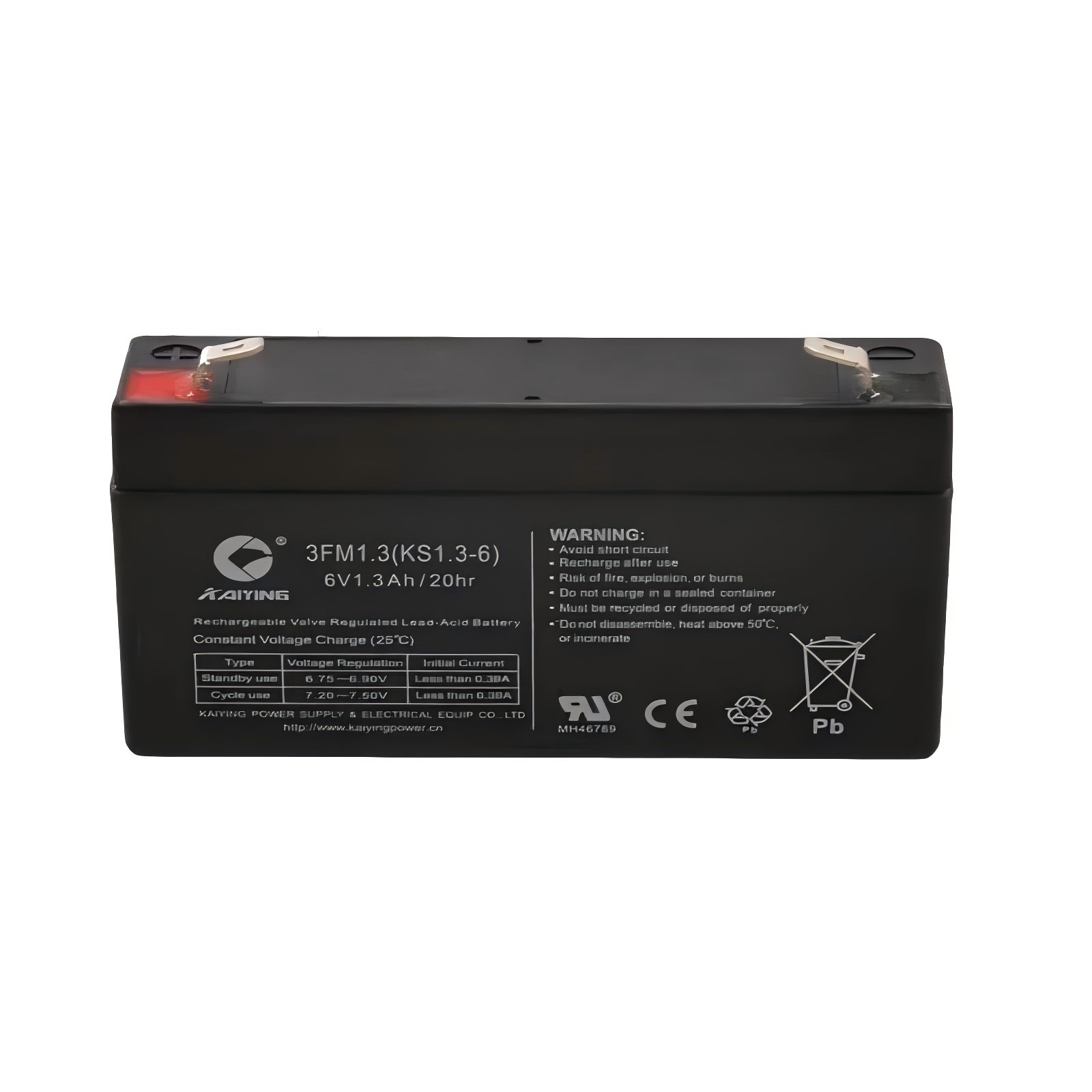
  • 6V2.8Ah Crane Scale Battery
     
  • 3FM2.8 Hanging Scale Battery
     
  • Kaiying Battery 6V2.8Ah


Working Principle of Electronic Crane Scales

Electronic crane scales are portable electronic balances that measure mass(weight) while the object is in a suspended state. They capture minor load changes through sensors, converting these changes into electrical signals, which are then transformed into digital signals by an A/D converter, ultimately displaying the weight value on the screen.


Main Technical Parameters of Electronic Hanging Scales

These scales typically follow simplified accuracy grades to meet the fast-paced demands of market transactions. Their design focuses on ease of operation and rapid response.


Applications and Advantages of Electronic Hanging Scales

Electronic hanging scales are suitable for various market environments, including agricultural product markets, seafood markets, and building materials markets. Their advantages include reducing work processes, accelerating measurement speed, saving labor and resources, and enhancing the transparency and fairness of transactions.


Application of Lead-Acid Batteries in Electronic Hanging Scales

As the power source for electronic hanging scales, lead-acid batteries need to provide stable and continuous electricity. They are usually small in size and have a moderate capacity to meet the power needs of electronic hanging scales while maintaining the portability of the device, such as 4V4Ah, 6V1.3Ah, 6V2.5Ah, 6V2.8Ah, etc.


Economic Benefits and Safety Considerations

When selecting electronic hanging scales and lead-acid batteries, economic benefits and safety are two important considerations. Lead-acid batteries are widely used due to their high cost-effectiveness and mature technology. Users need to make requirements based on the market environment, considering adaptability issues such as waterproofing and moisture resistance.


Universal Interchangeability and After-Sales Service

The universal interchangeability of products and after-sales service are also important factors to consider when selecting electronic hanging scales and lead-acid batteries. Modular design and easily replaceable parts can reduce maintenance costs, and good after-sales service can provide timely support when problems occur.


The combination of electronic crane scales and lead-acid batteries provides an efficient and reliable weighing solution for market transactions. With technological advancements, the performance and reliability of these two products will be further improved, bringing more convenience to market transactions. Get more details from www.kaiyingpower.com.

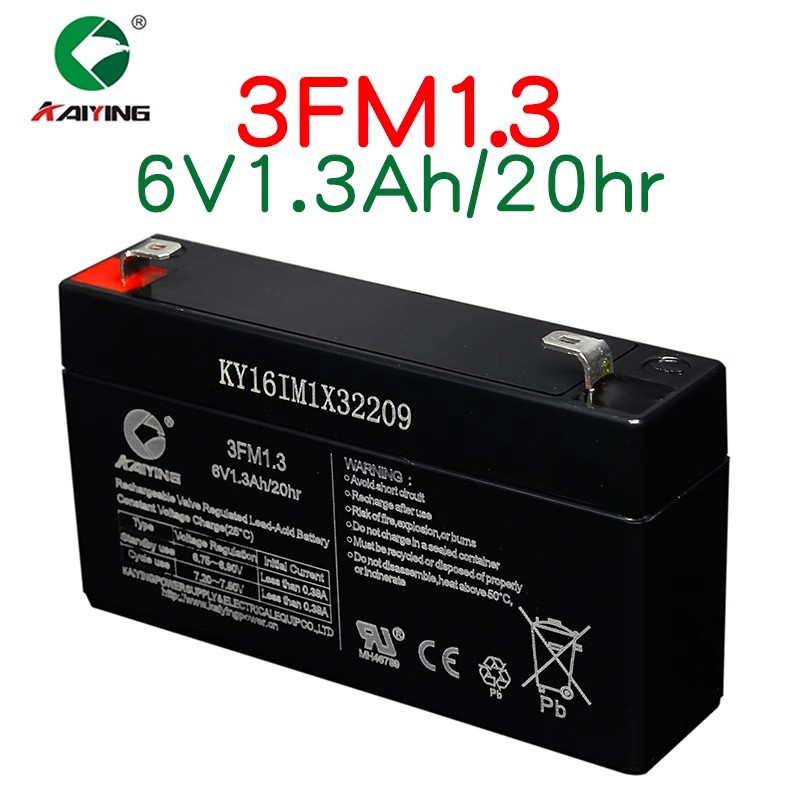
  • 6V1.3Ah Crane Scale Battery
     
  • 6V Electronic Crane Scale Battery
     
  • 3FM1.3 Hanging Scale Battery
     

Facts About Canton Fair - 10 Things You Should Know

The Canton Fair, also known as the China Import and Export Fair, is a beacon of global trade and a testament to China's economic prowess. Here are ten essential facts that shed light on the significance and impact of this grand trade event.


1. A Long-Standing Tradition

With its inaugural event dating back to 1957, the Canton Fair is China's longest-running and largest trade fair. It has since become a staple in the global trade calendar, occurring biannually in the spring and autumn.


2. A Global Marketplace

The fair is a melting pot of international business, drawing over 20,000 exhibitors and 200,000 buyers from more than 200 countries and regions, solidifying its status as one of the world's most significant trade fairs.


3. Expansive Exhibition Space

Spanning an impressive 1.2 million square meters, the Canton Fair provides a vast platform for companies to display their wares, making it one of the largest exhibitions globally.


4. Structured Phases

The fair is strategically divided into three phases per session, each focusing on different industries and product categories, allowing for a more organized and targeted approach to trade.


5. Diverse Product Showcase

The Canton Fair is a one-stop platform for a plethora of products ranging from electronics and textiles to home appliances and machinery, offering direct access to manufacturers for global buyers.


6. Blending Physical and Digital

The fair combines the traditional physical exhibition with an online platform, enhancing the trade experience and providing additional convenience for buyers and suppliers worldwide.


7. Quality Assurance

The Canton Fair maintains a stringent selection process for exhibitors, ensuring that only high-quality products are showcased. This includes evaluations of product quality, production capacity, reputation, and export volume.


8. Specialized Zones

The fair features specialized exhibition zones such as the International Pavilion and Smart Home Zone, which cater to specific market segments and provide targeted exposure for exhibitors.


9. Embracing Innovation and Sustainability

The fair has been increasingly focusing on new energy and sustainable products like electric vehicles, solar products, and lithium batteries, reflecting the new trends in China's foreign trade and the global shift towards greener practices.


10. Global Economic Influence

Beyond its doors, the Canton Fair plays a pivotal role in promoting Chinese enterprises and products in various sectors on the global stage, contributing to the economic dynamism of the electronic, appliance, manufacturing, light industry, and hardware segments.


The Canton Fair is more than just an exhibition; it's a gateway to China's market and a platform for international trade and cooperation. As it continues to evolve, one thing remains certain: the Canton Fair remains a vital hub for global commerce and technological exchange. Kaiyingpower has been an exhibitor and excellent lead acid battery supplier at Canton Fair for so many years, below we show you the whole situation of our booth at the 136th Canton Fair.


Regarding Lead-Acid Batteries For Roller Shutter Doors

Roller shutter door systems are widely used in commercial and industrial facilities for their convenience and speed. The stability and reliability of lead-acid batteries, which serve as the power source for these systems, directly affect the normal operation of the rolling shutter doors. Proper use and maintenance of lead-acid batteries are essential, and timely and effective troubleshooting is also necessary when problems occur. This article will provide you with maintenance tips, model selection, and troubleshooting methods for lead-acid batteries used in rolling shutter doors.


Roller Shutter Door Battery


Main Models and Application Scenarios

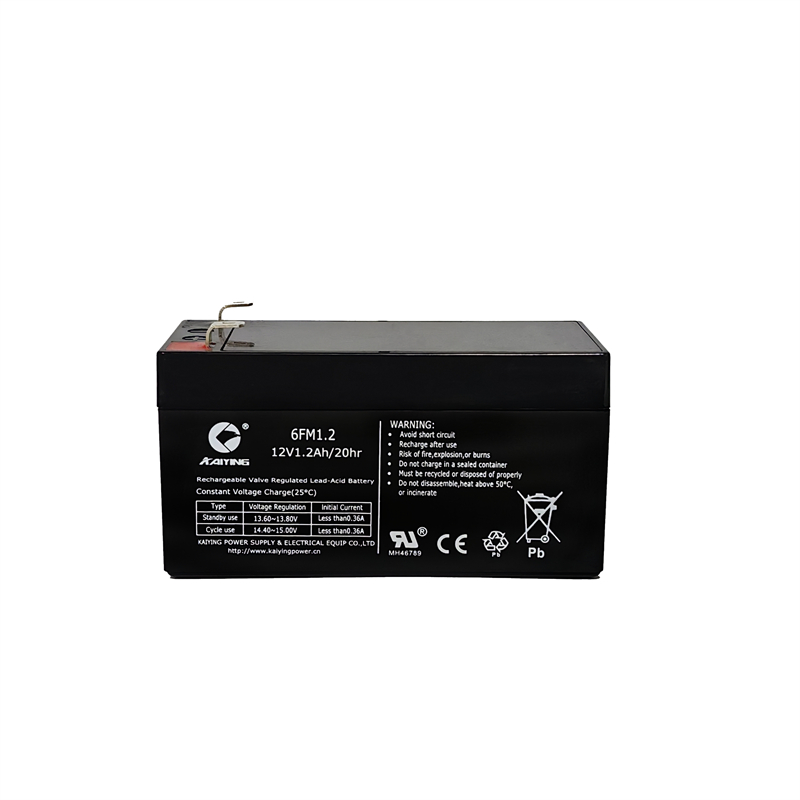
  • 12V1.3Ah Roller Gate Battery
     
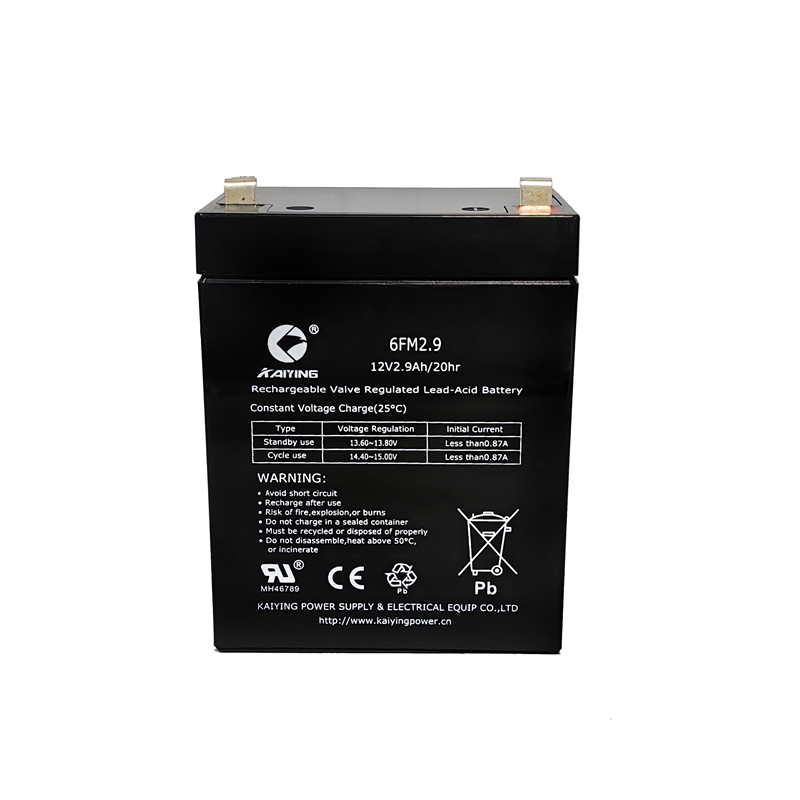
  • 12V2.9Ah Battery 6FM2.9
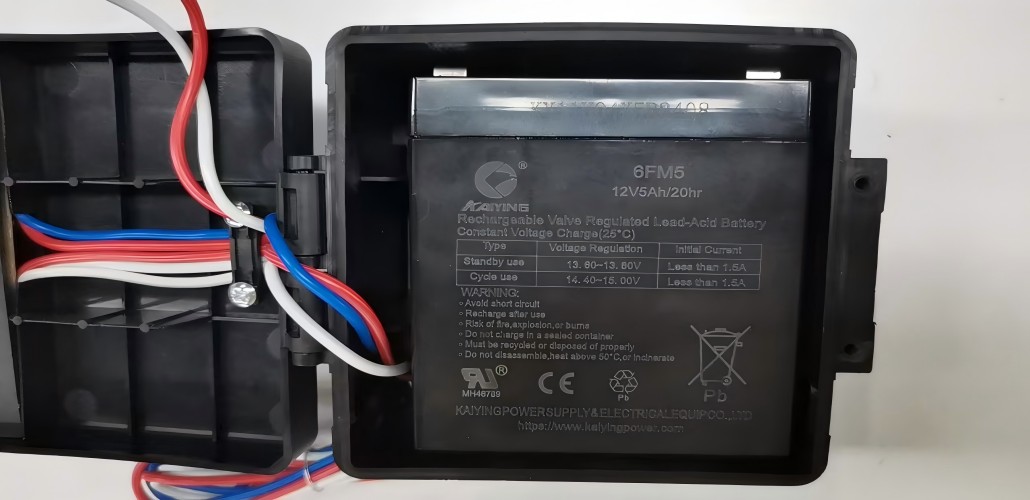
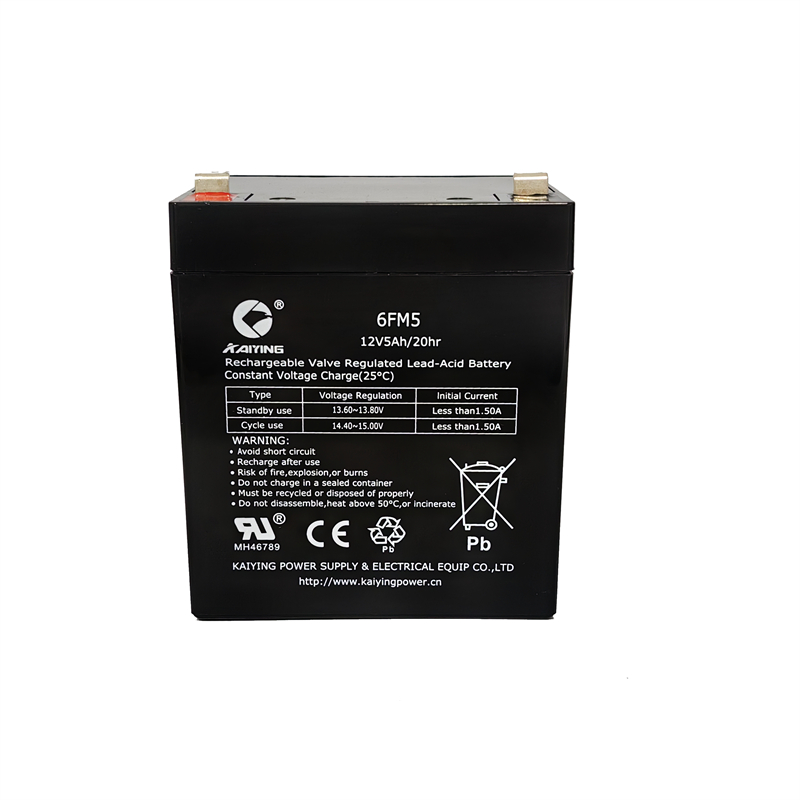
  • Battery 12V5Ah 6FM5 Roller Shutter
     
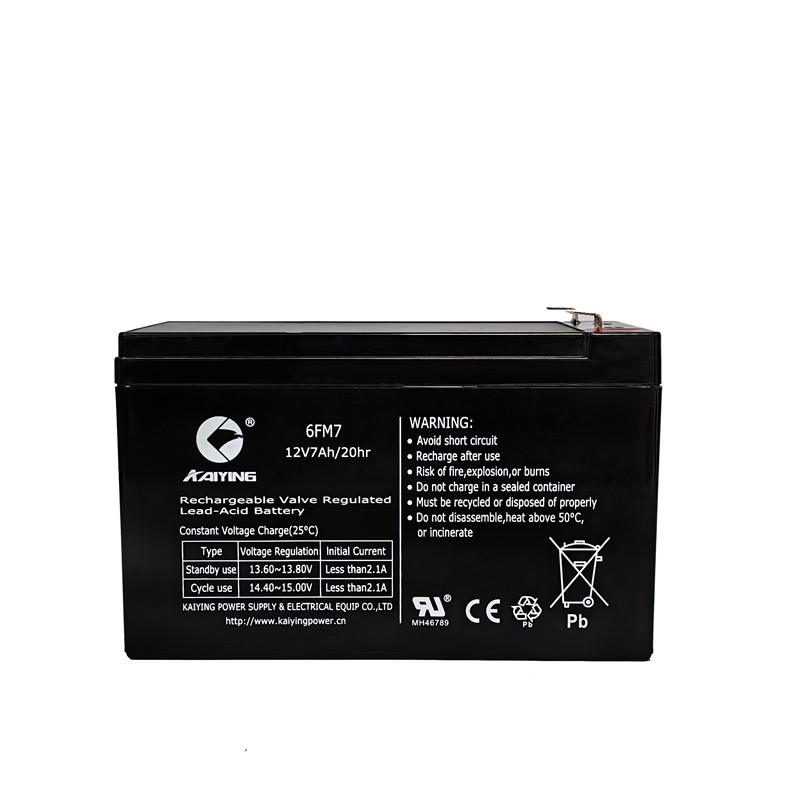
  • 12V7Ah Roller Sutter Door Battery
     
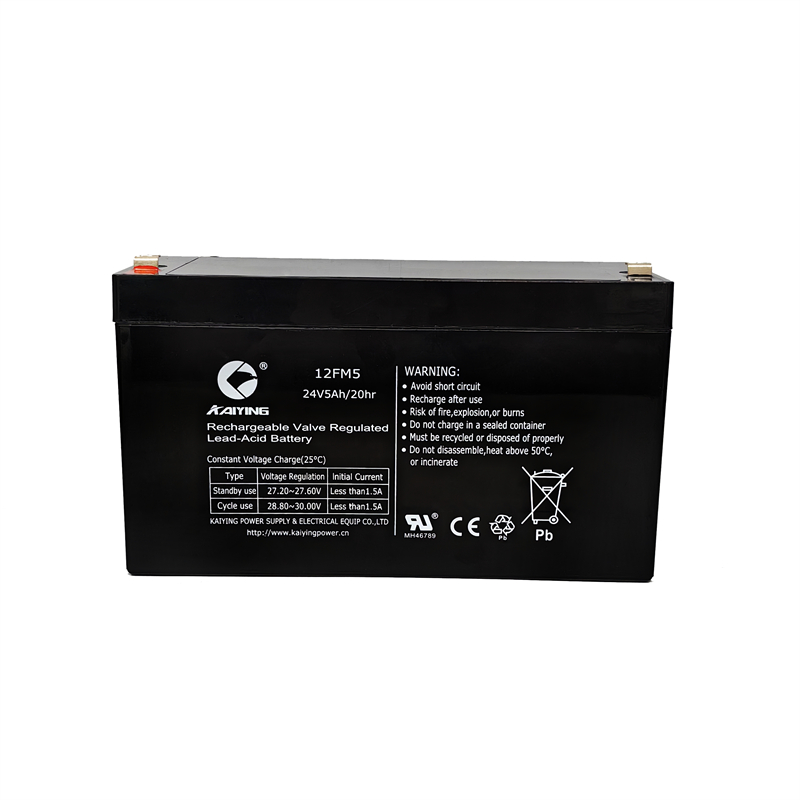
  • 24V5Ah Roller Sutter Door Battery
  •  

12V1.3AH: Compact design, often used for fire-resistant rolling shutter door controllers to ensure a quick response in emergencies.


12V2.9AH: A lightweight choice suitable for small rolling shutter doors or residential garage doors.


12V5AH: Suitable for commercial rolling shutter doors, providing sufficient starting current.


12V7AH: Typical and common model for roller gates.


24V5AH: Provides power for industrial-level rolling shutter doors that require a higher voltage.


When selecting a lead-acid battery, consider the size of the rolling shutter door, the frequency of use, and the expected backup power time. Larger rolling shutter doors or environments with frequent use require batteries with a larger capacity. For example, for commercial rolling shutter doors that need to be operated frequently, a 12V5AH or 24V5AH battery may be a better choice because they can provide stronger starting current and longer endurance.


Maintenance of Lead-Acid Batteries


12V7AH Battery For Roller Sutter Door


Keep terminals clean: Regularly clean the battery terminals to remove corrosion and dirt, ensuring good electrical contact.


Avoid overcharging and over-discharging: Follow the battery's charging and discharging specifications to prevent battery damage.
 

Storage conditions: Store batteries in a cool, dry place, avoiding extreme temperatures.


Environmental protection: Dispose of used batteries in accordance with local environmental protection regulations.


Common Faults and Troubleshooting Methods


Battery leakage: Check if the battery casing and sealing gum are intact, and replace damaged batteries in time.


Battery deformation: Avoid overcharging and regularly check if the battery casing is swollen.


Short circuit: Check the internal and external connections of the battery to ensure there is no damage.


Sulfation: Regularly perform maintenance charging to avoid long-term idleness.


Performance decline: If the battery performance declines, replace it with a new one in time.


Troubleshooting Tips


Rolling shutter door will not open or close: Check if the power lines and battery connections are firm, and whether the battery has enough power.


Remote control cannot operate the rolling shutter door: Make sure the remote control battery is powered, and check if the remote control is correctly coded with the rolling shutter door receiver.


Rolling shutter door runs slowly or unevenly: Clean the door track and check if the motor needs repair or replacement.


Rolling shutter door motor overheats: Make sure the motor is not jammed by foreign objects and that it is well-ventilated.


Battery repair: For sulfated batteries, try using a small current for a long time charging method to restore its capacity.


The correct use and maintenance of lead-acid batteries are crucial for the normal operation of rolling shutter door systems. By selecting the appropriate battery model and following maintenance tips and troubleshooting methods, you can ensure the long-term stable operation of the lead-acid batteries for rolling shutter doors and provide the necessary power support in emergencies. Remember, if you encounter complex or persistent problems, it is wise to contact a professional technician for inspection and repair in a timely manner.


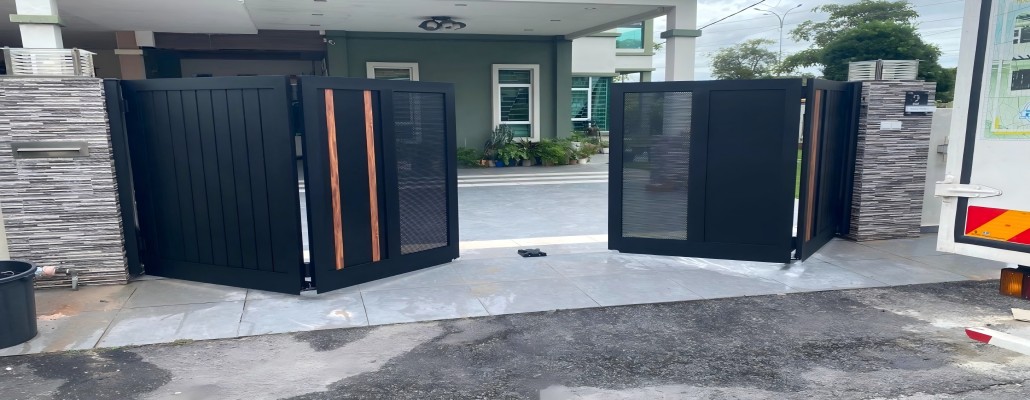
Sliding Gate battery


A Guide to the Use and Maintenance of Valve-Regulated Sealed Lead Acid Batteries

Introduction:

Valve-regulated sealed lead acid (VRLA) batteries are widely used in various applications, ranging from backup power systems to renewable energy storage. In this blog post, we will explore the benefits of VRLA batteries, their common uses, and provide tips for their proper use and maintenance.

1. Understanding VRLA Batteries:

  • VRLA batteries are a type of lead acid battery that utilizes a valve-regulated design to maintain the electrolyte inside. This design eliminates the need for adding water and allows the battery to operate in any position. VRLA batteries are generally maintenance-free and sealed, making them safe and easy to use.

2. Common Applications:
VRLA batteries find extensive applications in several industries:

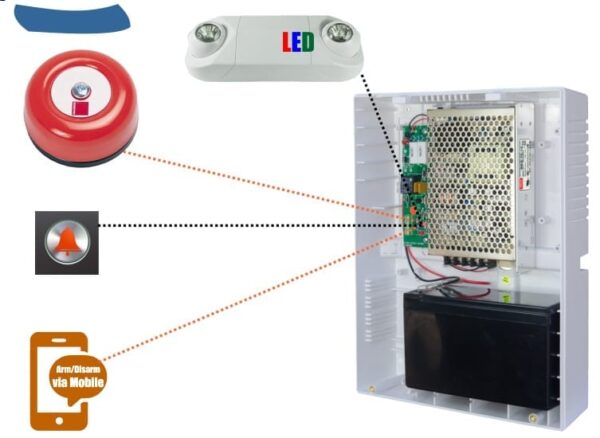
  • Backup Power Systems: VRLA batteries are commonly used as backup power sources for telecommunication systems, UPS (uninterruptible power supplies), and emergency lighting, etc.
  • Renewable Energy Storage: VRLA batteries can store energy generated from solar panels and wind turbines, providing a reliable power supply during low generation periods.
  • Mobility and Transportation: VRLA batteries are used in electric vehicles, golf carts, and other mobility devices due to their compact size and maintenance-free operation.

3. Tips for Use and Maintenance:
To ensure the longevity and optimal performance of VRLA batteries, the following maintenance tips should be followed:

  • Charging: Always use a charger specifically designed for VRLA batteries and follow the manufacturer's instructions. Overcharging or undercharging can reduce battery life.
  • Temperature: VRLA batteries perform best within a certain temperature range. Avoid exposing them to extreme temperatures, as it can affect battery performance and lifespan.
  • Cleaning: Regularly clean the battery terminals and connections with a damp cloth to remove any dirt or corrosion. Ensure a tight and secure connection.
  • Safety Precautions: When handling VRLA batteries, wear appropriate protective gear, such as gloves and goggles. Avoid short-circuiting the battery terminals and prevent exposure to flames or sparks.

4. Troubleshooting:
If you encounter any issues with your VRLA battery, here are some common troubleshooting steps:

  •             
    Storage Temperature Charging Interval
    0℃ to 20℃ (32℉ to 68℉) Every 9 months
    21℃ to 30℃ (70℉ to 86℉) Every 6 months
    31℃ to 40℃ (88℉ to 104℉) Every 3 months
              
  • When batteries are installed in a product, the following precautions to avoid over discharge during storage must be taken: 1. Only new or freshly recharged batteries should be used. 2.Any load that is on the battery in the product must be FULLY DISCONNECTED. 3.The first operating instruction for equipment fitted and sold with a rechargeable lead acid battery must be "The battery must be fully charged before use".
  • Charging instructions: 1. Always recharge the battery immediately after use. 2. Constant voltage charging is recommended. At 25℃, 2.27-2.30vpc for float use and 2.40-2.45vpc for cycle use. 3. The maximum initial charging current should be 0.4CA.
  • Discharging instructions: 1. Never leave a battery in a discharging condition. 2. Never allow a battery to fall below 2vpc in storage. The full capacity may not be able to reached and actual service life decreased. 3.Maximum continous discharge current is 5CA. For greater continous discharge current please consult our technical staff.

Conclusion:

Valve-regulated sealed lead acid batteries offer a reliable and maintenance-free power storage solution for various applications. By following proper use and maintenance practices, you can ensure the longevity and optimal performance of your VRLA batteries. Remember to consult the manufacturer's guidelines and seek professional help when needed.

Choosing Lead-Acid Batteries in the Age of Lithium-ion Dominance

In today's era of rapid technological advancements, lithium-ion batteries have undoubtedly emerged as one of the most popular energy storage technologies. However, with the prevalence of lithium-ion batteries, why do some people still choose lead-acid batteries as their preferred energy solution? This blog post aims to explore several key reasons and elucidate why opting for lead-acid batteries remains a wise decision in certain specific applications.

  1. Cost-effectiveness:
    Compared to newer lithium-ion battery technologies, lead-acid batteries offer a more affordable option, making them an economically viable choice in certain applications. Particularly for high-capacity energy storage systems, lead-acid batteries exhibit significant cost advantages. While it is undeniable that lithium-ion batteries excel in energy density and cycle life, lead-acid batteries still possess a unique competitiveness in fields where cost and scalability are paramount.

  2. Established Reliability:
    Lead-acid batteries are one of the most mature commercial battery technologies, having been in use for several decades. This extensive track record has fostered a deep understanding of the operational characteristics and reliability of lead-acid batteries, minimizing the risks for users. In contrast, despite significant advancements in recent years, lithium-ion batteries still hide uncertainties such as safety and lifespan concerns. For certain critical applications where reliability and predictability are crucial, lead-acid batteries provide a tried and tested solution.

  3. Robust Performance in Extreme Conditions:
    Lead-acid batteries have proven their resilience and adaptability in demanding environments. They can operate effectively across a wide range of temperatures, making them suitable for applications that experience extreme climates. In contrast, lithium-ion batteries can be sensitive to temperature fluctuations, leading to performance degradation in extreme heat or cold. In circumstances where stable battery performance is paramount, lead-acid batteries offer a dependable solution.

  4. High Cyclic Stability:
    Lead-acid batteries exhibit excellent cyclic stability, allowing them to withstand frequent charge and discharge cycles without significant capacity degradation. This characteristic, coupled with their ability to provide high current output, makes lead-acid batteries suitable for applications that require frequent and intensive power cycling. Lithium-ion batteries, on the other hand, may experience capacity fade over time, limiting their suitability for certain cyclic applications.

Target Applications of Lead-Acid Battery

Target Applications of Lead-Acid Battery 

As the long-standing power solutions, lead-acid batteries are durable and widely used in backup power supply fields such as telecommunications, power systems, computer systems and automated control systems, emergency lighting, new energy and energy storage batteries, automobiles, motorcycles and other starting fields, electric cars, golf carts, etc.


1. Battery for UPS

UPS power supply is the English abbreviation of Uninterruptable Power Supply. As an electronic AC conversion system with an energy storage device, its basic function is to provide uninterrupted power supply when the power supply is interrupted and always provide high-quality AC to the load. Power supply to achieve voltage stabilization, frequency stabilization, suppression of surges, electrical noise, compensation for voltage sag, long-term low voltage and other factors.

UPS power systems can be divided into two categories according to their application fields: UPS power systems for information equipment and UPS power systems for industrial power. UPS power systems for information equipment are mainly used in: security protection issues of computer information systems, communication systems, data network centers, etc. It plays an important role in protecting computer data, ensuring the stability of power grid voltage and frequency, improving power grid quality, and preventing harm to users caused by instantaneous power outages and accidental power outages. UPS power systems for industrial power are mainly used in: industrial power equipment industries such as electricity, medicine, automobiles, and other fields. The quality of AC and DC uninterruptible power supply equipment such as high-voltage circuit breakers opening and closing, relay protection, automatic devices, signaling devices, etc. It is directly related to the safe operation of the power grid, and is the "heart" of power generation equipment and power transmission & transformation equipment.


2. Battery for Energy Storage & Electric Vehicle

Lead-acid batteries for energy storage suitable for solar, wind and other new energy power generation equipment. Energy storage technology is widely used and has huge market potential. It is a key link in the energy Internet, which is mainly reflected in the following aspects: First, the output power of intermittent power sources such as photovoltaic and wind power is unstable. When its power generation ratio reaches a high, it will have a certain impact on the power grid, so a certain proportion of energy storage is needed to stabilize the output power of photovoltaic and wind power stations. Second, in areas where electricity prices are higher than on-grid electricity prices, and where peak and trough electricity prices vary greatly, distributed energy storage is often very economical; microgrids and off-grids also have direct demands for energy storage. Third, the application of energy storage in the power system will change the synchronized mode of electric energy production, transmission and use, make up for the missing "storage and release" function in the power system, and achieve the purpose of optimizing the allocation of power resources and improving energy efficiency. Fourth, advances in energy storage technology have also driven the rapid development of electric vehicles.

Lead-acid batteries are currently the better choice among energy storage batteries. From the perspective of cost, lead-acid batteries are more economical than other chemical energy storage methods such as lithium batteries. From the perspective of product performance, lead-acid batteries have mature technology, high safety, and a wide applicable temperature range; lithium batteries have problems such as consistency in the application of large battery packs, and safety problems in large power battery cells. Lead-acid batteries further improves the performance of the battery, greatly increases the number of cycles, and reduces the cost per unit use. Lead-acid batteries have relatively good application prospects in the field of energy storage.


3. Battery for Starting

The starting battery mainly provides energy for the starter motor of a car or motorcycle equipped with an internal combustion engine, thereby driving the engine flywheel to rotate to start the engine. The starting battery is required to be able to provide a large current in a short period of time, to be able to work normally even at low temperatures below minus 20 degrees Celsius, and to have good resistance to overcharging when the battery is continuously charged after the internal combustion engine is started.

Lead-acid batteries meet the needs of this field with their advantages of wide applicable temperature range, good high-current discharge performance, safety and stability. Other batteries have a certain gap compared with lead-acid batteries in terms of capacity, price, safety or environmental suitability.

 
  • #
  • #
  • #
  • #


The Power of Pure Lead Unleashing the Potential of Our Lead-Acid Batteries

Introduction:

In the world of energy storage, lead-acid batteries have extensively proven their reliability and efficiency. Today, we proudly present our lead-acid batteries crafted from the finest quality pure lead, sourced exclusively from Yuguang Inc. Our commitment to using pure lead is a testament to our dedication to delivering outstanding performance, longevity, and sustainability. Join us as we explore the power of pure lead and the advantages it brings to our lead-acid batteries.

  1. Superior Performance:
    Unlike batteries made from recycled lead, our lead-acid batteries are crafted using pristine, non-recycled pure lead. This results in exceptional performance and enhanced overall battery efficiency. Pure lead enables our batteries to operate at peak performance, providing consistent power output and longer cycle life. With our batteries, you can rest assured that you will have reliable energy storage for all your needs.

  2. Longevity:
    One of the critical factors in battery longevity is the purity of the lead used in its construction. By using only pure lead in our batteries, we ensure that they have a longer lifespan compared to batteries that utilize recycled or lower-grade materials. Our commitment to quality sets us apart, allowing our batteries to withstand rigorous usage, deep cycling, and extended periods of standby without compromising performance.

  3. Sustainability and Environmental Responsibility:
    At our core, we value sustainability and environmental responsibility. That's why we choose to work with Yuguang Inc., a leading provider of pure lead. By using non-recycled lead, we minimize the environmental impact associated with battery production, reducing waste and limiting harmful substances that could potentially find their way into the ecosystem. With our lead-acid batteries, you can be confident that you are making a conscious choice for a greener future.

  4. Versatility and Dependability:
    Our lead-acid batteries, crafted from pure lead, offer exceptional versatility and dependability. They excel in a wide range of applications, from automotive vehicles and renewable energy systems to backup power solutions. Whether you need reliable starting power for your vehicle or a robust energy storage solution for industrial use, our batteries can meet your demands with their consistent performance and powerful output.

Conclusion:
The reason for the high quality of our lead-acid batteries is that we are very strict in the selection of raw materials. Choosing our lead-acid batteries made from pure lead brings unparalleled benefits to your energy storage needs. With superior performance, longevity, sustainability, and reliability, our batteries are engineered to exceed your expectations. Join the revolution of using pure lead and experience the power of our lead-acid batteries. Invest in a greener, more efficient future with our superior energy storage solutions.  


  • #
  • #
  • #

Frequently Asked Questions (FAQ) About Sealed Lead-Acid Batteries

Question 1: How long is the lifespan of a lead-acid battery?

Answer: A lead-acid battery's lifespan is typically determined by usage conditions and maintenance procedures. Lead-acid batteries can typically last 3 to 5 years if used and maintained properly.


Question 2: How to use and maintain lead-acid batteries correctly?

Answer: Proper usage and maintenance of lead-acid batteries can prolong their lifespan and optimize performance. Here are some suggestions:

Follow the correct charging and discharging methods. Avoid over-discharging and over-charging. Keep the batteries clean and dry. Avoid excessive vibration and exposure to extreme temperature environments.


Question 3: What factors can affect the performance of lead-acid batteries?

Answer: Temperature, charging/discharging rate, operating environment, and maintenance procedures can all have an impact on the performance of lead-acid batteries. Proper usage and maintenance can significantly improve battery performance.


Question 4: How to determine the remaining capacity of a lead-acid battery?

Answer: In general, the voltage of the battery can be used to estimate its remaining capacity. However, it is important to note that with usage and aging, the voltage may no longer accurately reflect the remaining capacity. Therefore, it is recommended to use specialized battery testing equipment for accurate measurements.


Question 5: How long does it take to charge a lead-acid battery?

Answer: The charging time for a lead-acid battery is determined by its capacity and the charging equipment's power. The charging time is usually between 6 and 12 hours.


Question 6: How does your factory control the quality?

Answer: To ensure quality control in our manufacturing, Kaiying Power use the ISO 9001 quality system. Our quality control process consists of several departments. The Incoming Quality Control (IQC) department tests raw materials to ensure that they fulfill our high-quality production standards. The Production Quality Control (PQC) department is in charge of various inspections, including the first inspection, in-process quality control, acceptance inspection, and full inspection. Finally, the department of Outgoing Quality Control (OQC) assures that no defective batteries are shipped from the factory.

 Sealed Lead-Acid Batteries


What Common Mistakes Should I Avoid When Using a Medical Cart Battery?

In the healthcare environment, the reliability of medical equipment is crucial. Medical carts, often equipped with advanced technology, rely heavily on batteries for their functionality. However, improper use of these batteries can lead to reduced performance and shorter lifespans. Here are some common mistakes to avoid when using a medical cart battery, particularly focusing on 24V LiFePO4 Medical Cart Batteries, Rechargeable Medical Cart Lithium Ion Battery Packs, and 12V 50Ah Long-life Medical Batteries.

Rechargeable Medical Cart lithium ion battery pack

1. Ignoring Manufacturer Guidelines

One of the most significant mistakes healthcare professionals make is neglecting the manufacturer’s guidelines. Each battery type, whether it’s a 24V LiFePO4 Medical Cart Battery or a Rechargeable Medical Cart Lithium Ion Battery Pack, comes with specific instructions for charging, usage, and maintenance. Always consult the manual to understand the correct procedures for optimal performance.


2. Overcharging the Battery

Overcharging can severely damage medical batteries. While many modern batteries come with built-in protection systems, it’s still essential to monitor charging times. For instance, the 12V 50Ah Long-life Medical Batteries should not be left on the charger longer than recommended. Overcharging can lead to overheating and reduced battery life, compromising the safety of your medical equipment.


3. Neglecting Battery Maintenance

Regular maintenance is vital for prolonging battery life. This includes checking connections, cleaning terminals, and ensuring the battery is free from corrosion. For Rechargeable Medical Cart Lithium Ion Battery Packs, keeping the terminals clean ensures efficient charging and discharging cycles, which are crucial for consistent performance.


4. Using Incompatible Batteries

Using batteries that are not compatible with your medical cart can lead to malfunctions and potentially hazardous situations. Always ensure you are using the correct battery type, such as a 24V LiFePO4 Medical Cart Battery that matches your cart’s specifications. Incompatible batteries can cause damage to both the battery and the medical equipment.


5. Ignoring Temperature Conditions

Batteries are sensitive to temperature changes. Extreme heat or cold can impact their performance and lifespan. Make sure your 12V 50Ah Long-life Medical Batteries are stored and used within the temperature ranges specified by the manufacturer. Avoid exposing them to direct sunlight or storing them in unregulated environments.


6. Failing to Monitor Battery Health

Regularly checking the health of your medical cart batteries is crucial. Use battery management systems or monitoring tools to keep an eye on the state of charge (SoC) and state of health (SoH). Monitoring these metrics can help you anticipate when a Rechargeable Medical Cart Lithium Ion Battery Pack might need to be replaced, ensuring that your medical cart is always operational.


7. Not Training Staff

Finally, failing to train staff on the proper use and maintenance of medical cart batteries is a common oversight. Ensure that all relevant personnel understand how to operate, charge, and maintain the 24V LiFePO4 Medical Cart Battery and other battery types. Proper training can prevent many of the mistakes listed above.


By avoiding these common mistakes, you can enhance the reliability and longevity of your medical cart batteries. Whether you are using Rechargeable Medical Cart Lithium Ion Battery Packs or 12V 50Ah Long-life Medical Batteries, proper care and attention are essential. Always refer to manufacturer guidelines, monitor battery health, and ensure compatibility to maintain optimal performance in your medical equipment.