【Smart Grid】Empowering Smarter Energy Systems

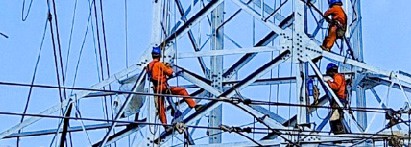
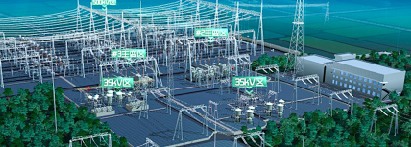
Ceepower specializes in smart grid solutions, focusing on the R&D, production, sales, and service of power transmission and distribution equipment. With 25 years of expertise, it has built a comprehensive industrial chain, becoming a leading provider of integrated primary and secondary equipment solutions, offering services from design and production to engineering and operation.


Electrical Product

Research, development, production, sales, and post-sales service of power transmission, distribution, control, and related equipment.

EPC Project

Engineering, procurement, and construction services for power transmission, distribution, and renewable energy generation projects.

Investment and Intelligent Operation of Electrical Projects

Comprehensive solutions f or intelligent grid transformation.


  • #
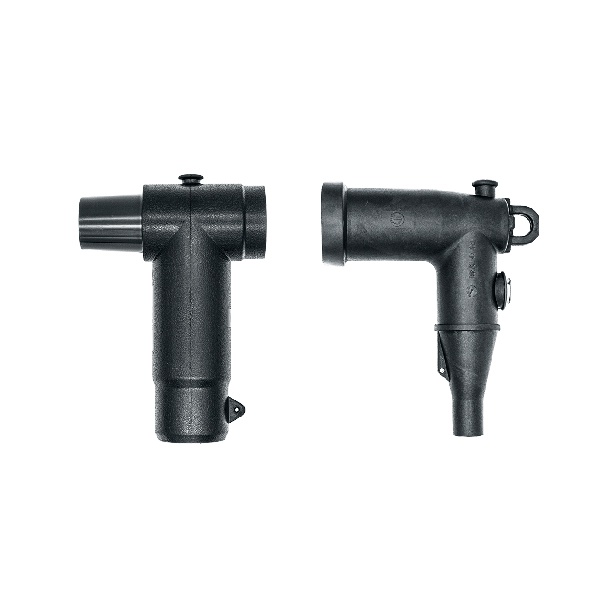
    Cable Accessories
     
    With 25+ years of expertise, Ceepower’s cable accessories are certified by KEMA, IPH, CESI, and LAPEM, and are widely used in global power grids.
  • #
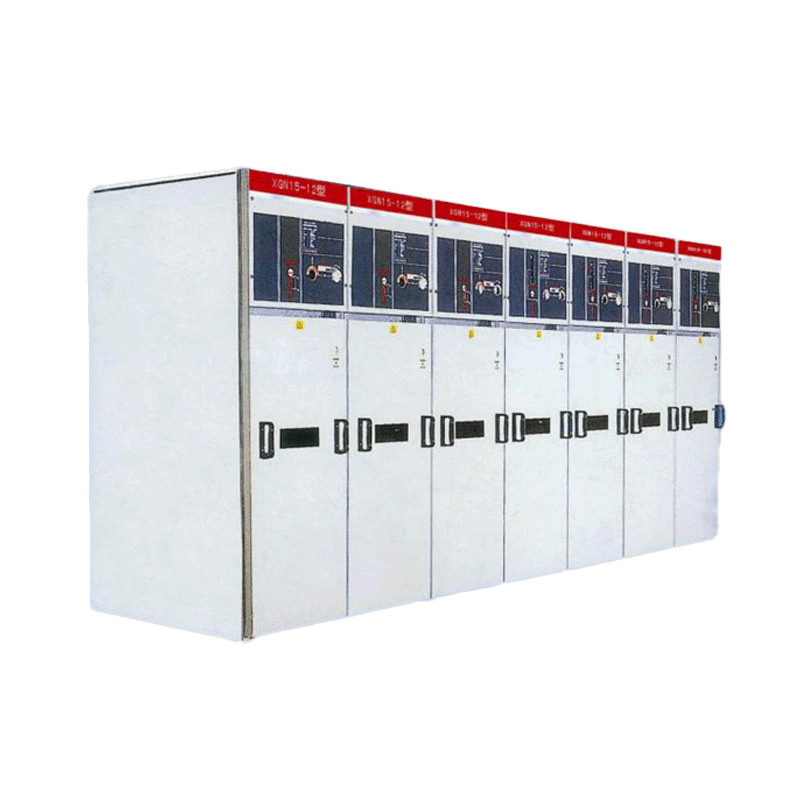
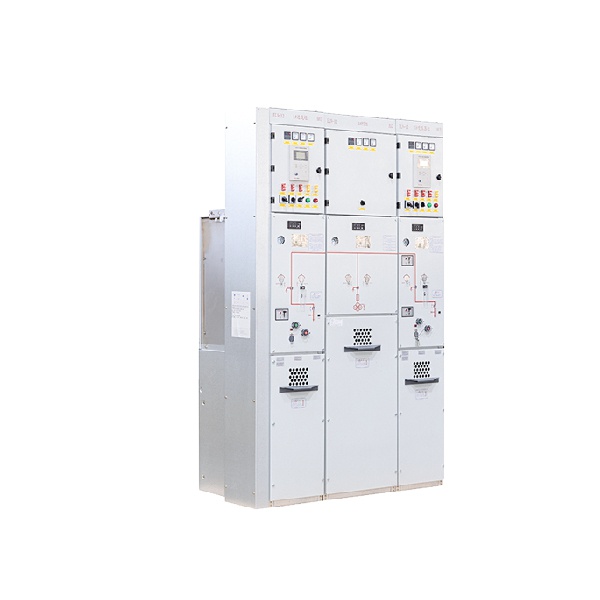
    Intelligent Ring Main Unit
     
    Ceepower provides innovative, sustainable solutions for power grids, rail transport, petrochemicals, healthcare, and municipal engineering.
  • #
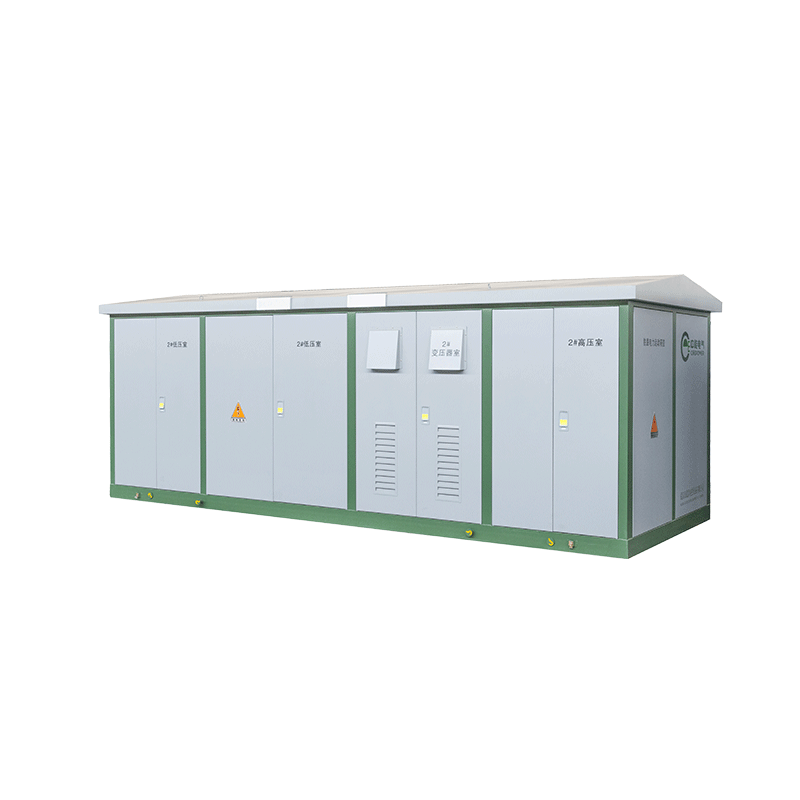
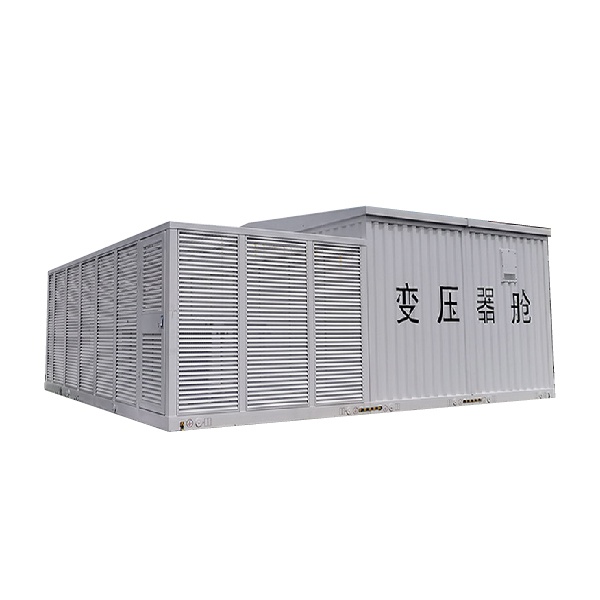
    Prefabricated Substation
     
    Ceepower delivers prefabricated products, including 0.4 kV-35 kV switchgear, 110 kV-220 kV GIS, transformers, secondary equipment, and customized solutions.
  • #
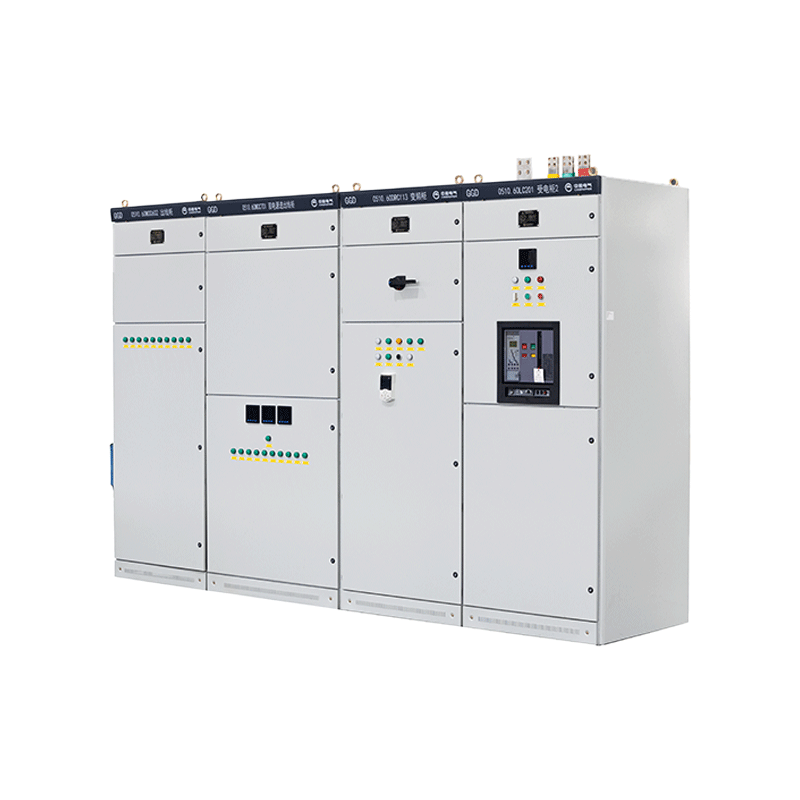
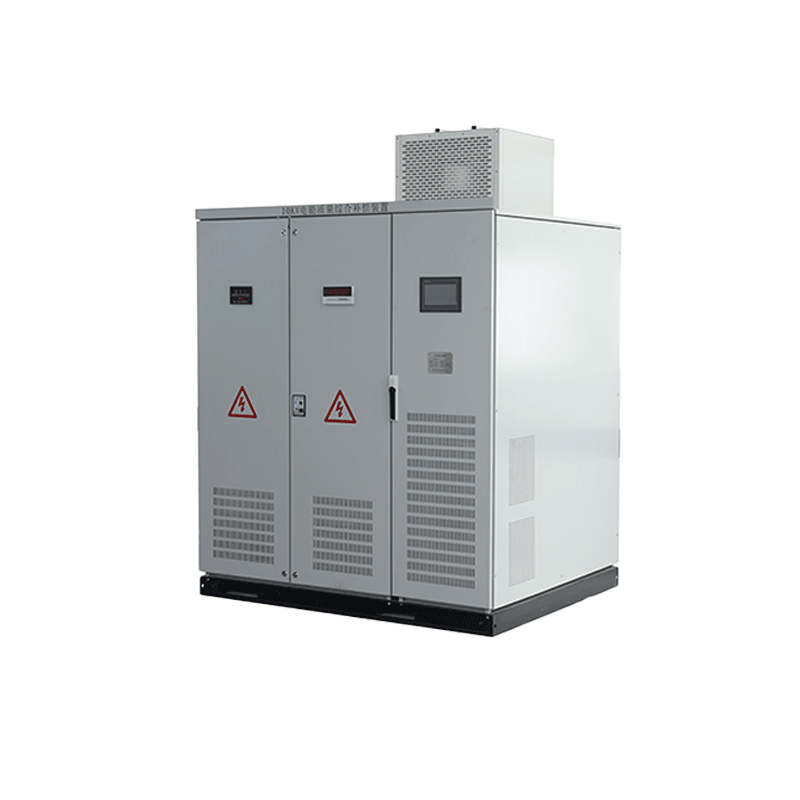
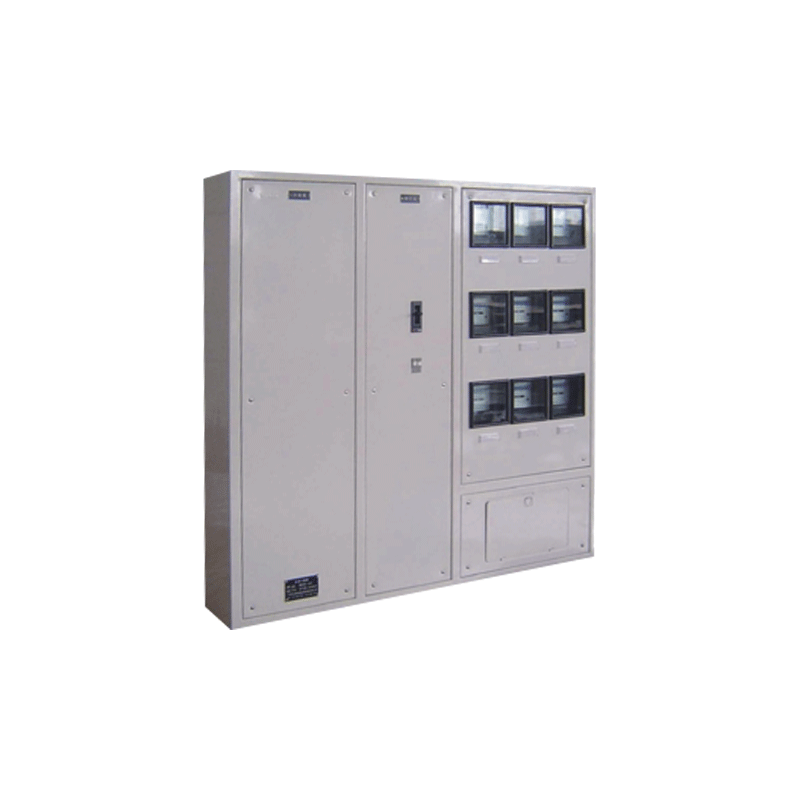
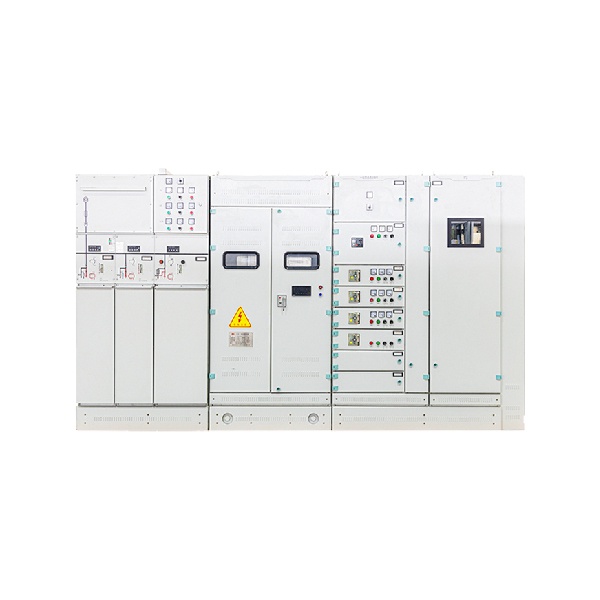
    HV & LV Switchgear
     
    Ceepower supplies high and low voltage switchgear, substations, transformers, breakers, and metro cabinets, developed with Schneider and Siemens.


Chengfei No.17180 Factory Building Project for Sichuan Construction Group 

Contracting Scope: Distribution Electrical Equipment (High and Low Voltage Switchgear ) Supply


Factory Building No. 17180 is a major project for Chengdu Aircraft Industry Group, representing the largest and most advanced assembly facility in the industry.


Shenzhen-Zhongshan Channel

Contracting Scope: Ring Main Unit (RMU) Supply


The world's first cross-sea cluster project integrating a bridge, island, tunnel, and underwater interchange. 


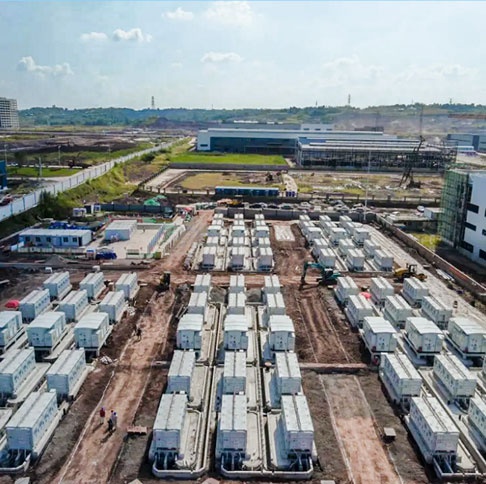
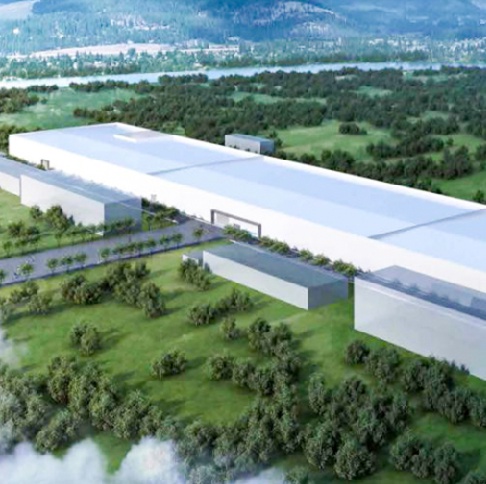
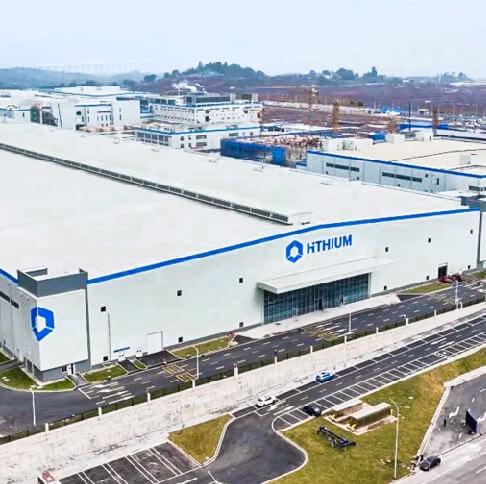
Haichen Energy Storage Chongqing Manufacturing Base Project

Contracting Scope: 10 kV High Voltage Switchgear Supply


The project is located in Chongqing's new-generation energy storage lithium battery research and production base, marking the city's first fully-assembled lithium chemical energy storage endeavor.


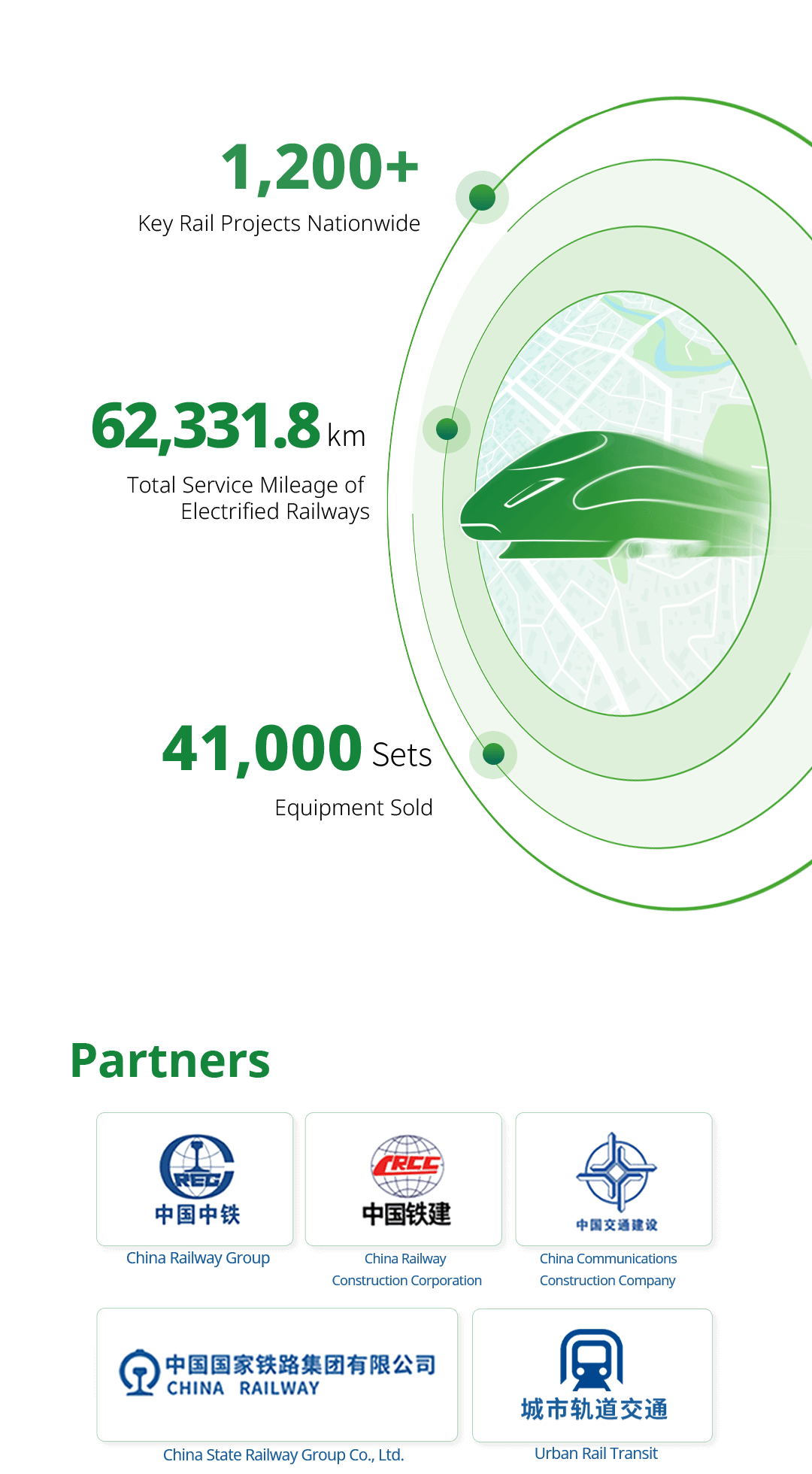
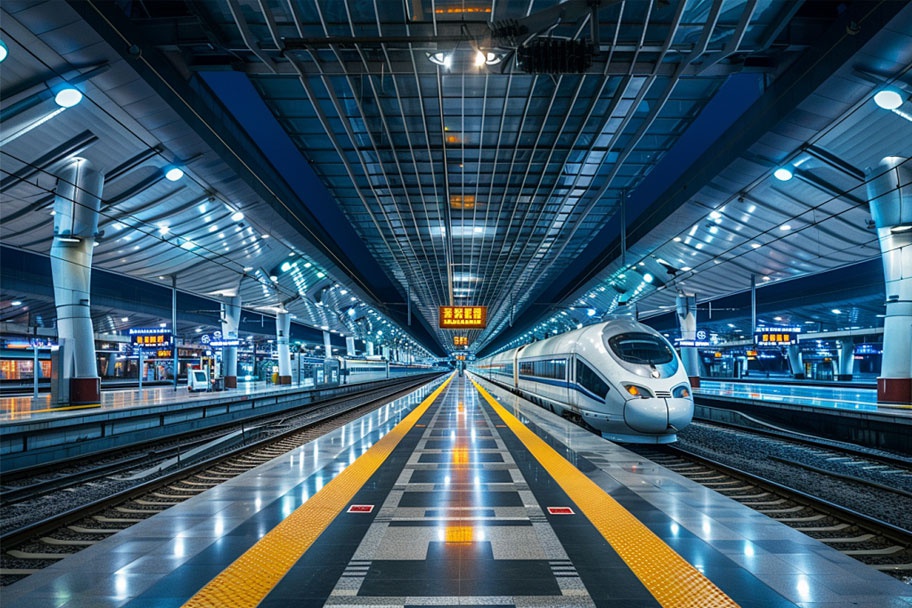
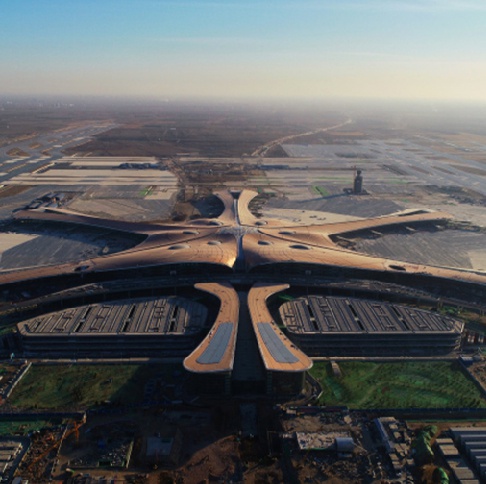
Beijing Daxing International Airport

Contracting Scope: High and low voltage equipment for the Beijing-Xiong’an high-speed railway distribution room


4F-class international airport and world-class aviation hub.


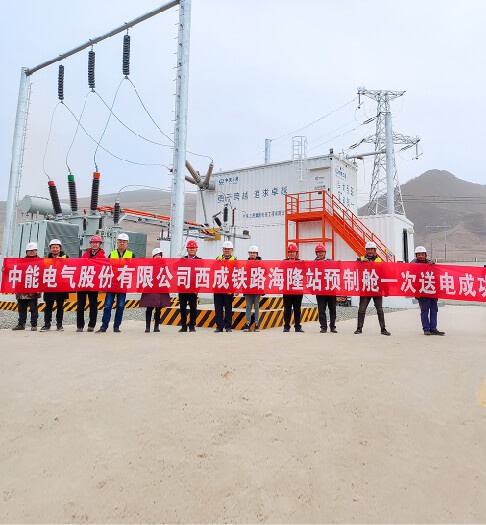
Xicheng Railway Hailong Station

Contracting Scope: The first prefabricated substation along the railway line – 110 kV prefabricated complete station


A key transportation infrastructure project connecting Sichuan, Gansu, and Qinghai provinces in Tibetan regions.


How Energy Storage Systems Are Transforming the Global Energy Market

The global energy market is undergoing a significant transformation, driven largely by the growing demand for clean, renewable energy. Energy Storage Systems (ESS) are at the heart of this shift, enhancing the reliability and availability of renewable energy sources such as solar power. By optimizing the generation, storage, and usage of electricity, ESS are facilitating the implementation of more sustainable, flexible, and decentralized energy solutions. This article explores the different types of energy storage systems, their applications, and how they are reshaping the global energy landscape.


The Role of Energy Storage Systems in Renewable Energy

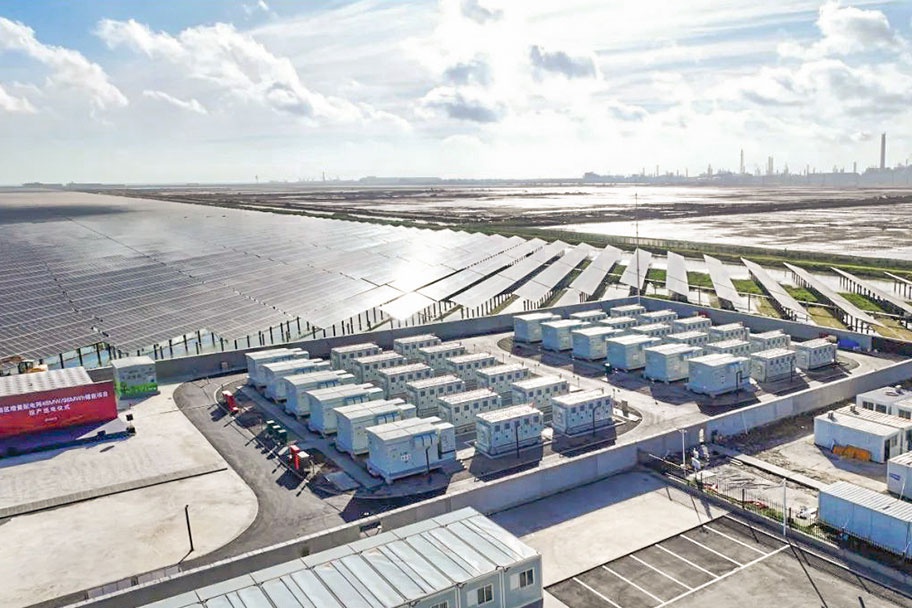
Energy storage systems are key to solving the intermittency issues of renewable energy sources like solar and wind power. They store excess electricity and release it during periods of low demand, ensuring the continuity and reliability of power supply. This function is crucial for integrating renewable energy on a large scale into national and global grids, allowing households, businesses, and industries to fully harness the potential of clean energy.


By storing electricity and releasing it when needed, ESS reduce reliance on fossil fuels, stabilize electricity prices, and significantly lower carbon emissions. They are a vital force in the transition toward a more sustainable and environmentally friendly energy future.
 

All in One Solar Energy Storage Systems: A Game-Changer for Homes and Businesses

All in One Solar Energy Storage Systems are one of the most promising innovations in the energy storage field. These systems combine solar panels, inverters, and energy storage into a single, compact unit, simplifying installation and reducing costs. By combining solar power generation with storage, homes and businesses can maximize their energy independence and reduce reliance on grid electricity.


For residential users, all in one systems enable them to generate and store power during sunny days and use the stored energy during evenings or cloudy days. This approach not only helps reduce electricity bills but also enhances resilience to power outages. For businesses, stored energy can be used during peak hours, reducing energy costs and improving overall operational efficiency.


Moreover, the efficiency and simplicity of all in one solar energy storage systems make them ideal for off-grid applications. As more people and communities seek to disconnect from traditional grids, all in one solar energy storage systems have become an ideal solution for achieving sustainable living.


Off-Grid Solar Storage Systems: Ensuring Power Supply for Remote Areas

While most urban areas still rely on connected energy systems, off-grid energy storage systems are becoming increasingly important in remote and rural regions. Off-grid solar storage systems can provide reliable, self-sufficient power to areas that either have no access to the grid or where connecting to the grid is not feasible.
 

In these systems, solar panels convert sunlight into electricity, and energy storage units store the excess power for later use. Most off-grid systems are equipped with hybrid inverters that manage both solar power generation and energy storage, providing the necessary electricity for homes, businesses, and even entire communities. Particularly in remote areas of developing countries, off-grid solar systems provide critical power support to regions with unstable electricity supplies.

 

The advantages of off-grid systems go beyond just providing basic electricity—they enhance energy security, reduce dependence on costly diesel generators, and offer environmental benefits. As the number of off-grid installations increases globally, energy storage systems are helping millions of people living in areas with insufficient power access improve their quality of life while promoting the widespread adoption of sustainable energy solutions.


ENECELL: Providing Efficient and Reliable Solar Storage Solutions for Global Users

As a professional solar storage system supplier with over 15 years of experience, ENECELL offers comprehensive solar solutions to global customers. ENECELL's all in one solar energy storage systems utilize advanced technology, offering exceptional performance, durability, and ease of use. These systems are widely used in residential, commercial, and off-grid applications.

The Essential Role of Solar Inverters in Solar Energy Systems

As the demand for renewable energy grows, solar power remains a leading choice. Central to its effectiveness are solar inverters, which convert direct current (DC) from solar panels into alternating current (AC) for household and commercial use. This post explores the importance of solar inverters in the solar energy industry.


What is a Solar Inverter?


A solar inverter is crucial for any photovoltaic (PV) system, enabling the energy produced by solar panels to be used in everyday applications. Without an inverter, solar energy would remain unusable.


Types of Solar Inverters

String Inverters: Connect multiple panels in series, ideal for residential setups.

Microinverters: Attached to individual panels, optimizing energy production even in shaded areas.

Power Optimizers: Enhance performance at the panel level while connecting to a string inverter.

Hybrid Inverters: Manage solar energy and battery storage, offering flexibility for energy needs.


Efficiency Matters


The efficiency of solar inverters impacts overall system performance, with high-quality models achieving 95% or more. Choosing the right inverter for your setup is crucial to maximize energy output.


Monitoring Capabilities


Many modern inverters come with monitoring features, allowing users to track system performance in real time. This helps identify issues and optimize energy production.


Future Trends


The solar inverter market is evolving, with smart inverters facilitating integration with smart grids and enhancing functionalities. Hybrid inverters are also gaining popularity, making energy management more efficient.


Solar inverters are vital to harnessing the full potential of solar energy. By converting DC to AC, they empower users to benefit from renewable energy. Investing in high-quality inverters is essential for optimizing solar systems and contributing to a sustainable energy future.

The Future of Energy Embracing Solar Panels in the Electrical Industry

As the world shifts towards more sustainable energy sources, solar panels have emerged as a pivotal technology in the electrical industry. With advancements in efficiency and affordability, they offer numerous benefits for both residential and commercial applications. In this post, we’ll explore the importance of solar panels and how they can revolutionize energy consumption.


Understanding Solar Panels


Solar panels, or photovoltaic (PV) panels, convert sunlight into electricity through the photovoltaic effect. This technology harnesses renewable energy, reducing dependence on fossil fuels and minimizing greenhouse gas emissions. The growing adoption of solar energy aligns with global efforts to combat climate change and promote sustainability.


Economic Benefits


Investing in solar panels can lead to significant cost savings. While the initial installation may seem daunting, the long-term financial benefits are substantial. Homeowners and businesses can significantly reduce their electricity bills, and in many regions, government incentives and tax credits can help offset installation costs. Furthermore, as electricity prices continue to rise, solar energy presents a stable alternative.


Energy Independence


One of the most compelling reasons to adopt solar technology is energy independence. By generating your own electricity, you are less susceptible to fluctuations in energy prices and supply disruptions. This is especially important in industries reliant on consistent energy sources for operations. Solar panels enable businesses to control their energy costs and improve their resilience against market volatility.


Environmental Impact


The environmental benefits of solar panels cannot be overstated. By utilizing a clean, renewable energy source, solar technology helps reduce carbon footprints and decrease reliance on non-renewable resources. The lifecycle of solar panels is increasingly sustainable, with many manufacturers prioritizing eco-friendly materials and practices. Embracing solar energy is not only a smart financial decision but also a commitment to a healthier planet.


Technological Advancements


The solar industry has seen remarkable technological advancements, leading to more efficient and reliable solar panels. Innovations such as bifacial panels, which capture sunlight from both sides, and integrated energy storage solutions are enhancing the performance of solar systems. These advancements make solar energy a viable option for a wider range of applications, including remote areas lacking access to traditional power grids.


The Future of Solar in the Electrical Industry


Looking ahead, the integration of solar technology into the electrical industry is set to grow. As more businesses recognize the benefits of renewable energy, the demand for solar installations will continue to rise. Additionally, the development of smart grid technologies will allow for better energy management and distribution, further optimizing the use of solar power.


Solar panels are not just a trend; they represent a crucial step towards a more sustainable future in the electrical industry. With their economic benefits, environmental impact, and technological advancements, they provide a compelling case for adoption. As we move forward, embracing solar energy will be essential in achieving energy independence and fostering a greener planet.

The Rise of Single-Phase All-in-One Energy Storage Systems

In the pursuit of sustainable energy solutions, single-phase all-in-one energy storage systems are gaining traction in both residential and commercial applications. By integrating inverters and batteries into a single unit, these systems offer a streamlined and efficient way to harness and store solar energy. This blog explores the benefits and significance of these innovative energy solutions in the industry.


What is a Single-Phase All-in-One Energy Storage System?


A single-phase all-in-one energy storage system combines the functions of an inverter and a battery into one compact unit. This design simplifies installation and reduces the overall footprint, making it ideal for homes and small businesses. By storing excess solar energy generated during the day, these systems provide power during the night or during grid outages, enhancing energy independence.


Key Benefits:


Space Efficiency: The compact design of all-in-one systems saves space, making them suitable for installations where space is limited.


Simplified Installation: With fewer components to install, these systems reduce installation complexity and time, leading to lower labor costs and quicker deployment.


Cost-Effectiveness: By combining two essential functions, all-in-one systems can be more cost-effective than separate units, making renewable energy solutions more accessible to a broader audience.


Enhanced Energy Management: Integrated systems provide better energy management capabilities, allowing users to monitor and optimize their energy usage effectively.


Environmental Impact


Single-phase all-in-one systems contribute significantly to environmental sustainability. By enabling users to store and use renewable energy, they help reduce reliance on fossil fuels and lower carbon footprints. This is especially critical as more individuals and businesses seek to align their operations with eco-friendly practices.


Future Trends in Energy Storage


As technology continues to advance, the demand for integrated energy storage solutions is expected to rise. Innovations such as improved battery chemistry and smarter energy management software will enhance the performance and efficiency of these systems. Additionally, as energy policies shift towards renewable sources, all-in-one solutions will play a vital role in meeting energy needs sustainably.


Single-phase all-in-one energy storage systems are revolutionizing the way we harness and use solar energy. By combining inverters and batteries into a single unit, these systems offer an efficient, cost-effective solution for energy storage. As the industry evolves, these integrated systems will become increasingly important in promoting energy independence and sustainability.

Solar Bimetal Self-tapping Screw

Solar Bimetal Self-tapping Screw


The Solar Bi-metal self-tapping screws with stainless steel 304 in head and Carbon Steel SCM 435 for drilling 0.5-2mm steel or aluminum.The stainless steel head are high level of corrosion protection and fast drilling on metal roof,it reduces the swarf and prevent rusting on roof.


Material:Stainless Steel 304/316+Carbon Steel SCM435

Screw Length:5.5X25mm,6.0(6.3)x25mm

Sealing Washer:Stainless Steel 304φ16mm with EPDM

Head type:Hexagon Head

Surface Settlement:Luxiubao(Ruspert) or Galvanizing

Drill Capacity through Steel:0.5-2.00mm

Drill Capacity through Aluminium:0.5-2.00mm

Application:Trapezoidal/Corrugated Metal Roof

Service:OEM/ODM is accepted

Color:Silver


Please check the Video for reference

https://www.youtube.com/watch?v=6-5ROp_kYsk&t=43s


If you are interesting in the screw or other screws,please contact to Email:sales9@landpowersolar.com


The Stainless Steel Adjustable Trapezoidal Roof Clamp

The Stainless Steel Adjustable Trapezoidal Roof Clamp is a more popular now, specially designed for installation on the trapezoidal roof of the photovoltaic bracket clamp. It has a height-adjustable function and can adapt to the trapezoid color steel tile roof of different heights. This fixture is usually made of aluminum alloy or stainless steel material, with high strength and corrosion resistance, can ensure the stable installation of photovoltaic panels and long-term use.


We produce the stainless steel adjustable trapezoidal roof clamp is adjustable to accommodate varying of widths and heights of trapezoidal roof ridge, it also can be adjustable the height of solar panel to the roof.  In addition, our product features a self-adhesive EPDM seal, ensuring quick installation and water resistance. The material we use is stainless steel 304. Stainless Steel 304 Trapezoidal roof jig is a cost-effective, quick installation, the best installation solution for trapezoidal sheet roof.


The advantages of this stainless steel adjustable trapezoidal roof clamp are as follows:


1. Easy installation. The use of pre-assembled support accessories, on-site installation saves time and labor, can greatly reduce the construction cost, improve the engineering efficiency.
2. High durability. Stainless steel 304 is used to ensure the durability of the fixture.
3. You're adaptable. the adjustable design makes this fixture suitable for most of the trapezoid color steel tile roofs.
4. Good waterproof effect. The two sides of the fixture are sealed with EPDM gaskets, which has excellent waterproof effect and avoids water leakage caused by installation ‌.
In short, the trapezoidal roof adjustable fixture has become an indispensable tool in photovoltaic installation with its easy installation, high durability, strong adaptability and excellent waterproof effect.
If you need this product,  please feel free to contact us. With 12 years experience,we can do very cometitive prices with high quality,  hope can work with you to cut your cost and reach mutual benefit. (sales7@landpowersolar.com)

Are batteries worthwhile with solar?

Batteries are important partners in solar energy systems. Batteries store excess energy produced by solar systems and also provide backup power during power outages.


Batteries replace the grid by adding them to your solar system.


When solar energy is generated, it will power your home appliances that need electricity.


If the amount of solar energy is less than what your appliance needs, the rest will be taken from the battery. If the battery is empty or can't provide a full load, the rest will still be pulled from the grid as a last resort.


If more solar energy is generated than your appliance needs, the excess will be stored in the battery. If the battery is full, the excess power is fed into the grid as a last resort.


By adding batteries to your solar system, you can make yourself more self-sufficient. More electricity in your home will come from the sun. Batteries give you backup power in the event of a power outage. Our high-end systems will switch you from grid power to battery power in a split second, and you won't even notice the grid has lost power.

Building-integrated photovoltaics

Building-integrated photovoltaics enable buildings to maximize solar energy production while reducing long-term material and energy costs.


What is BIPV?


Building-integrated photovoltaics integrate photovoltaic cells directly into the facade of a building, rather than attaching photovoltaic cells to the existing facade. BIPV is often included in the construction process and architects consider BIPV when designing structures. In some cases, contractors may retrofit a building with BIPV, but it won't be cost-effective upfront.


BIPV can take many forms on buildings. It can be integrated into part of the roof or shingles. Larger buildings often choose to use BIPV as part of the building facade, and the cells are often integrated into the windows.


A building's roof may not get enough sunlight, but a multi-story structure can collect a lot of solar energy through its many windows. Other facades, such as awnings and skylights, are excellent locations for BIPV.


BIPV and BAPV


BIPV is part of this structure. They serve the dual purpose of energy collectors and building materials. BAPV (Building Applied Photovoltaics) is photovoltaic generation added to an existing system. BAPV only acts as an energy harvester. These buildings require standard building materials.


Benefits of BIPV?

BIPV systems have many benefits. They provide clean, renewable energy that is not only good for the environment but also saves homeowners money. Businesses are more likely to install BIPV than BAPV because they can be seamlessly integrated into the building’s architecture. Design doesn’t have to sacrifice beauty.


BIPV is more cost-effective in the long run, especially when incorporated during the construction phase. Because the system replaces some traditional building materials, there is no need to purchase these materials and solar equipment. All this can be done for one fee. The building will save money on electricity bills and may offset further costs through tax incentives.


One problem with solar energy is that the energy is not always available when needed. For BIPV, the energy collection peak and energy consumption peak are usually consistent.


The structure can use electricity immediately without the need for additional storage. The system does not have to rely as much on the grid, saving energy costs. Over time, the energy cost savings will far outweigh the initial installation and material costs.


Applications of BIPV


BIPV has several practical applications in the construction sector. Any type of facade that receives a lot of sunlight is a viable option. Designers often use roofs and skylights for BIPV. Since larger buildings require more energy and don't have as much surface area on the roof, windows are another excellent location. Windows are particularly effective on the tallest buildings in the area.


BIPV systems can meet the needs of large buildings while reducing the need for fossil fuels, thus contributing to sustainable construction. Progress is critical, and BIPV can make progress while reducing environmental harm.

How sustainable are solar panels?

You'll hear myths like "solar panels are made more energy than they produce" or, "solar panels have more carbon footprint than they will offset. None of this is true!


All manufacturing uses energy and has a carbon footprint, and solar panels are no exception.


Renewable power generation repays its carbon footprint during its operation. Unlike fossil fuels, which require carbon-intensive fuels throughout the life cycle of the system.


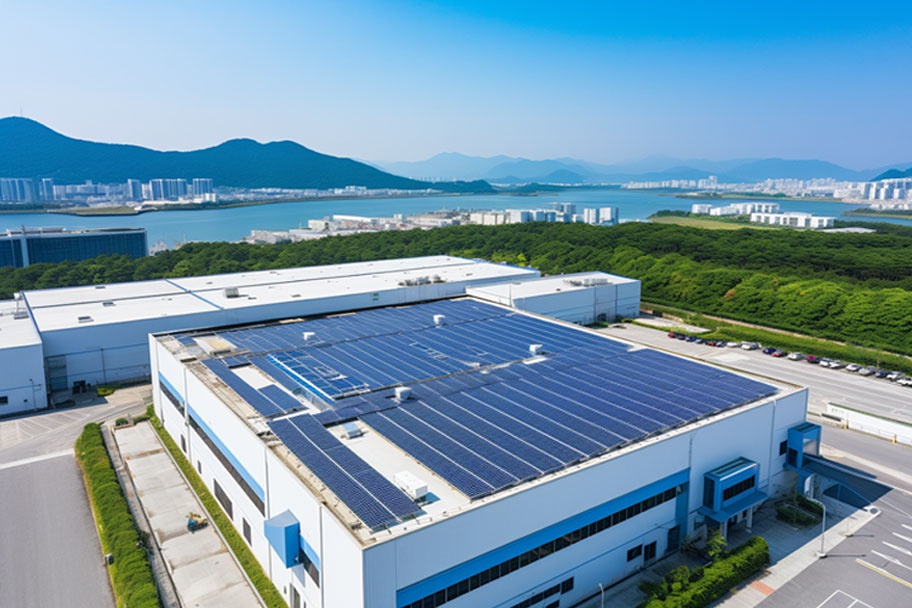
With the greening of the manufacturing national grid, the manufacturing footprint will get smaller and smaller over time. Solar panel factories also tend to install solar panels on rooftops to provide their own green energy.


Solar power that is used by households or exported to the grid actually offsets the high-carbon gas power generation.


Since 2015, solar panel manufacturing has become more efficient and the grids at manufacturing locations have become greener. So I think the payback time is much less these days.


Monocrystalline solar panels are the most widely used technology. To produce solar panels, it takes a lot of energy to melt the silicon used in the batteries. Other technologies are being developed that use a fraction of the energy, but these are not yet commercialized and are not very efficient.


QCells estimates that their panels will take about 1.5 years to recoup the energy needed for production.


The operating period is approximately 30 years, equivalent to 28.5 years of renewable energy generation.


recycling solar panel recycling

Solar panel components are all regularly recycled materials.


People often ask, "What happens to solar panels at the end of their useful life?". The answer is that they are likely to be recycled.


Because in Australia there are many systems that are going to be scrapped. The market is ready for solar panel recycling. Look at Gedlec, they are currently recycling 95% of their solar panels and will be able to recycle 100% by the end of 2021.


The most sustainable solar systems are those that operate efficiently and last a long time.


Replacing a system before the end of its design life will double the carbon footprint of installing a quality system for the first time.


By using experienced designers, experienced installation teams and quality products for your solar system, you can ensure that your system will last, perform well and be sustainable.